How to choose a preventive health check-up in Switzerland
5 March 2026


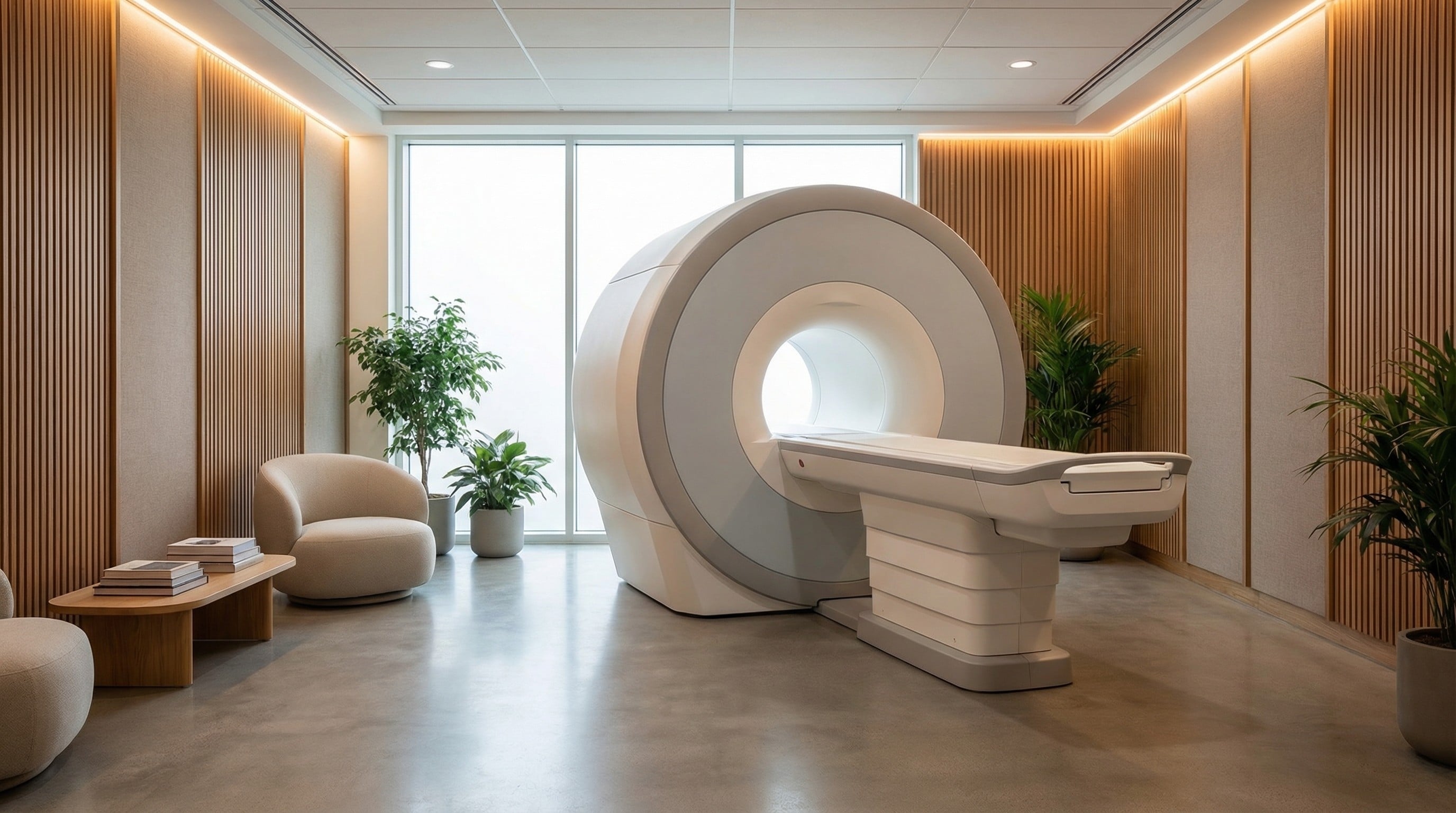
The preventive MRI market in Switzerland is growing fast. Several companies now offer full-body MRI scans combined with blood analysis, and from the outside, the packages can look similar: an MRI, some blood work, a report, a price in the low thousands of CHF.
But the details vary more than the marketing suggests. The number of biomarkers tested, which parts of the body are scanned, who reads your images, how long you spend in the scanner, and what you receive afterwards can differ significantly between providers. These differences affect the quality of your baseline and, in some cases, whether a finding is caught or missed.
This guide covers what to look for when evaluating a preventive check-up in Switzerland, so you can make an informed decision based on what matters.
What a full-body MRI covers
The term "full-body MRI" is used broadly, but coverage varies. Some protocols scan from head to mid-thigh, covering the brain, spine, chest, abdomen, and pelvis. Others extend further to include dedicated hip and knee imaging, or add gender-specific screening for the prostate or ovaries.
Ask specifically: what body regions are included? There is no “standardized” full-body MRI protocol. For instance, a scan may or may not include detailed imaging on hips and knees. If you're active, do endurance sports, or have a family history of joint problems, that distinction matters. Skiing, hiking, running, and cycling put long-term stress on lower-body joints, and early detection of cartilage degeneration or labral issues can change the trajectory of a joint problem before it becomes surgical.
Gender-specific screening is another detail worth checking. The prostate and ovaries are areas where early detection has a meaningful impact on outcomes, and some providers include these as standard while others don't.

The scan protocol: who built it and why it matters
An MRI scan is only as good as the protocol that drives it. The protocol determines which imaging sequences are used, how they're optimised, and what tissue contrasts are captured. Two providers can use the same MRI machine and produce very different results depending on the protocol running on it.
Questions worth asking:
- Was the scan protocol developed by MRI physicists and radiologists, or is it a standard manufacturer default?
- Is it a bi-parametric protocol (T2-weighted plus diffusion-weighted imaging, no contrast agent), which is the evidence-supported approach for preventive screening in asymptomatic adults?
- How many imaging biomarkers does it capture? Imaging biomarkers include measurements like liver fat fraction, brain volume, muscle-to-fat ratio, and visceral fat volume. These are quantitative data points extracted from MRI sequences, and they turn a scan from a visual inspection into a measurable baseline you can track over time.
A custom protocol designed by specialists who understand MRI physics will be optimised for the specific use case of preventive screening: maximum diagnostic information in minimum scan time, with sequences tailored to the anatomy being screened. A generic protocol borrowed from diagnostic radiology may include unnecessary sequences or miss ones that matter for prevention.
Scan duration: shorter is better (if the data quality holds)
This might seem counterintuitive. With MRI, "more thorough" doesn't necessarily mean "takes longer." A well-optimised protocol captures the same or more diagnostic information in less time, and less time in the scanner has two practical benefits.
First, comfort. Lying still in a narrow tube for 50 to 60 minutes is harder than doing it for 40. For people with any degree of claustrophobia or physical discomfort, this is a real consideration.
Second, image quality. The longer you're in the scanner, the more likely you are to shift position, even slightly. Patient movement is one of the most common causes of image degradation in MRI . A shorter scan reduces this risk. When evaluating providers, ask how long the MRI itself takes (not the total appointment time, which includes preparation and blood draw). Then ask how many imaging biomarkers the protocol captures. If a provider achieves fewer biomarkers in more time, that tells you something about how their protocol was built.
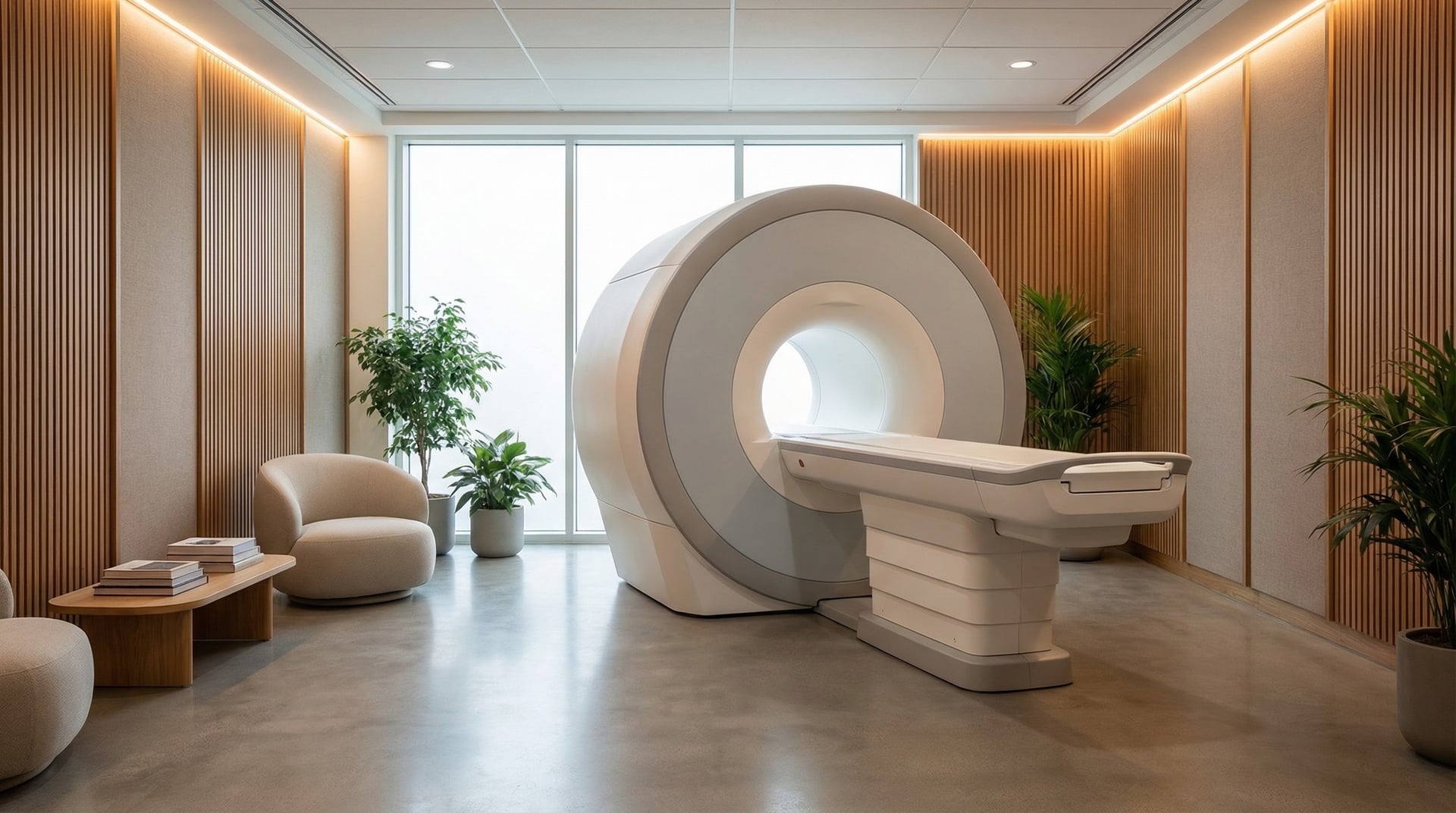
How imaging check-ups compare at a glance
The table below compares three levels of check-up on the imaging dimensions covered above. The "typical full-body MRI provider" column reflects the range you'll see across most Swiss preventive MRI companies; your specific provider may sit above or below these figures.
| Factors to consider | Ahead Health (Advanced) | Typical full-body MRI provider | Standard Swiss GP check-up* |
|---|---|---|---|
| Body coverage | Head to below knees | Head to mid-thigh (varies) | No imaging unless symptomatic |
| Gender-specific screening | ✓ (prostate / ovarian) | Varies by provider and tier | ✗ |
| Quantitative liver screening | ✓ (screening for fat infiltration and iron deposits) | Varies by provider and tier | N/A |
| Imaging biomarkers | >20 quantitative measurements | Varies (often unspecified) | ✗ |
| Body composition | ✓ (MRI, gold standard) | Varies (sometimes with DEXA) | ✗ |
| Scan protocol | Custom bi-parametric, built by MRI physicists and radiologists | Manufacturer default or adapted standard protocol | N/A |
| Scan duration (MRI only) | ~40 minutes | 45–60 minutes | N/A |
| Contrast agent | None (no gadolinium) | None in most preventive protocols | N/A |
| Clinical facility | Hirslanden (hospital-grade, Zurich) with AI image acceleration | Independent imaging centre or partner radiology practice | GP practice |
| MRIs reviewed (team experience) | 30,000+ | 1,000+ (varies) | N/A |
| Licensed Swiss medical clinic | ✓ (GLN 7601009346187) | Varies | ✓ (GP practice) |
* The third column is there for context. A GP check-up serves a different purpose: it's designed around the KVG framework, usually triggered by symptoms or age-based screening guidelines, and doesn't include preventive imaging. That's the system working as intended. The question is whether, for your goals, that level of data is enough.
Blood analysis: why the number of biomarkers matters
Blood biomarkers are the functional counterpart to imaging. While an MRI shows the structure of your organs and tissues, a blood panel reveals how they're performing: metabolic function, inflammation, immune activity, nutrient status, hormonal balance, cardiovascular risk.
The range of biomarkers tested varies widely between providers. Some include 20 to 30 markers. Others test 80 or more. The difference is meaningful.
A basic panel might cover a standard lipid profile (total cholesterol, HDL, LDL, triglycerides), fasting glucose, liver enzymes, and kidney function. That's a useful snapshot, but it misses markers that matter for comprehensive prevention: ApoB (a more precise cardiovascular risk marker than LDL alone), fasting insulin (which can flag insulin resistance years before glucose levels rise), thyroid hormones beyond TSH (free T3 and T4), vitamin D, iron studies, and inflammation markers like hs-CRP.
For context, a standard Swiss check-up under the MediX guidelines typically covers 15 to 20 markers. Under the basic insurance system (KVG), tests must meet strict cost-effectiveness criteria, so markers like vitamin D, full thyroid panels, and ApoB are generally excluded for asymptomatic patients. That framework makes sense at the population level. But if you're investing in a preventive check-up to understand your individual biology, you want the panel to go well beyond what the KVG requires.
How blood panels compare at a glance
| Marker category | Ahead Health (Advanced, 81 biomarkers) | Standard Swiss GP check-up (15–20 markers) |
|---|---|---|
| Standard lipids (total cholesterol, HDL, LDL, triglycerides) | ✓ | ✓ |
| ApoB | ✓ | ✗ |
| Lp(a) | Add-on | ✗ |
| Fasting glucose | ✓ | ✓ |
| HbA1c | ✓ | Sometimes (if diabetes risk) |
| Fasting insulin | ✓ | ✗ |
| Liver enzymes (ALT, AST, GGT) | ✓ | ✓ |
| Kidney function (creatinine, eGFR) | ✓ | ✓ |
| Full thyroid panel (TSH, fT3, fT4) | ✓ | TSH only (if indicated) |
| Iron studies (ferritin, transferrin, iron) | ✓ | ✗ (unless symptomatic) |
| Vitamin D | ✓ | ✗ |
| Vitamin B12 & folate (B9) | Vitamin B blood test add-on | ✗ |
| hs-CRP (inflammation) | ✓ | ✗ |
| Full blood count | ✓ | ✗ |
| Hormones (testosterone, oestradiol, DHEA-S, cortisol) | Hormone blood test add-on | ✗ |
| Gender-specific markers (PSA) | Pro package only | PSA only if indicated, age 50+ |
| Integrated with MRI findings in one report | ✓ | N/A |
The markers in the right-hand column are excluded because the KVG requires a clinical indication or strong risk factor before covering them. For population-level screening, that's a defensible threshold. For an individual trying to understand their health trajectory before issues manifest, a standard panel may leave gaps in the data needed for proactive management. The European Society of Cardiology now recommends ApoB as a primary risk target, and fasting insulin can flag insulin resistance years before glucose rises, yet neither appears in a standard Swiss panel.
The standard check-up was designed for a different question: "Is there a problem right now?" A comprehensive blood panel asks: "What direction is your health heading?" For a detailed breakdown of what each type of blood test costs in Switzerland and why the panels differ, see check-up blood test vs. preventive blood test .
How imaging and blood work together
An MRI might show early signs of fatty liver. A blood panel might flag elevated liver enzymes and insulin resistance. Either finding alone tells part of the story. Together, they give your physician a cross-referenced picture.
Dr. Anna Erat, founding medical advisor at Ahead Health, describes it this way: "A single data point can be misleading. When your blood chemistry and your imaging tell the same story, you can act with confidence. When they contradict each other, that's equally valuable, because it tells you where to look next." Think of imaging as the hardware check (structures, anatomy) and blood analysis as the software check (processes, chemistry). A check-up that does both and integrates the results into a single report gives you a more complete baseline than either one alone.
The report: what you get back matters as much as the scan itself
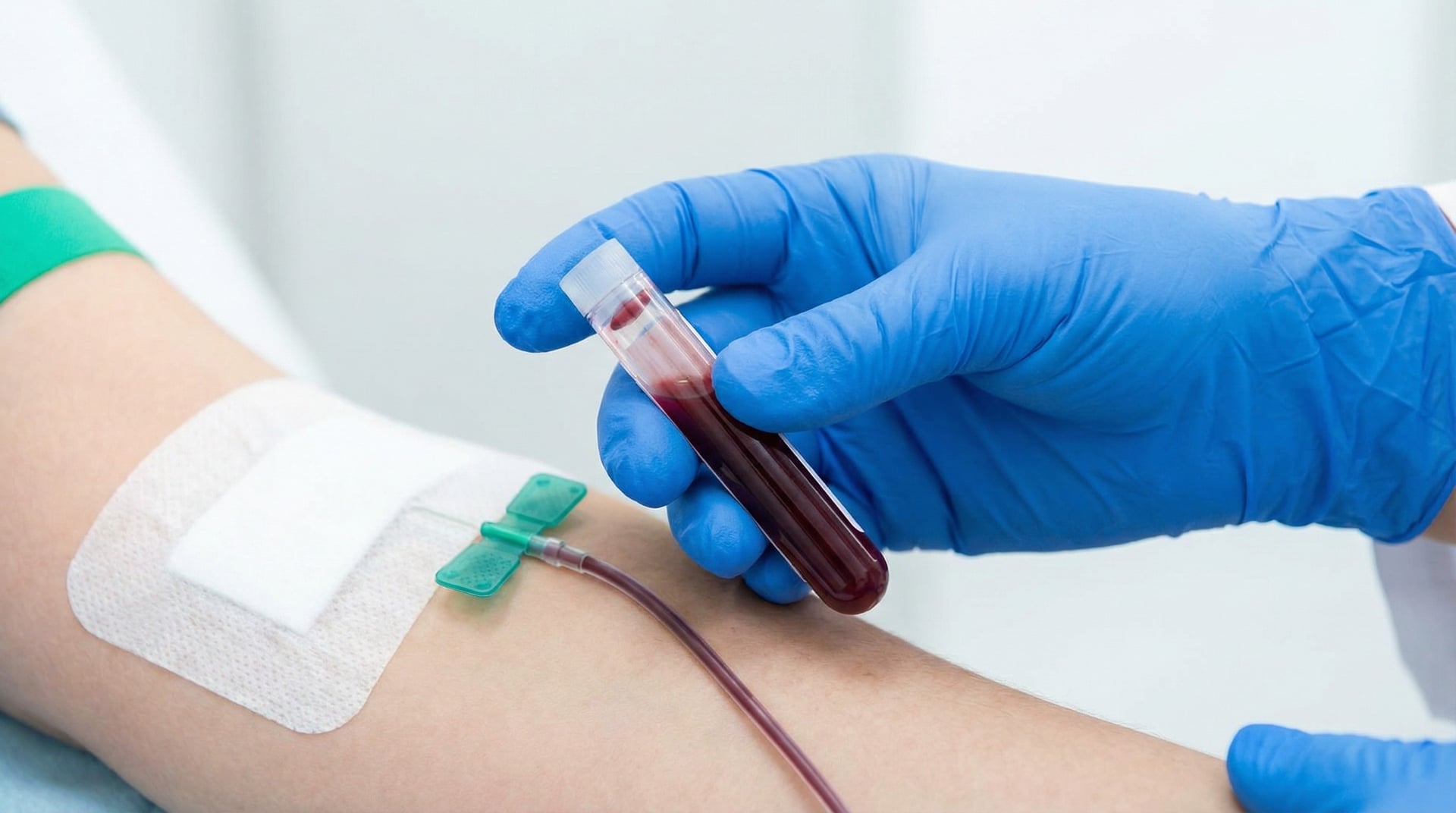
A scan generates images. A blood test generates numbers. The report is where those raw outputs become useful information. Some providers deliver MRI findings and blood results separately. Others integrate them into a single report where imaging and blood data are cross-referenced, giving you (and your GP) a clearer picture of what's happening and what to do about it.
Beyond integration, look for:
- A personalised action plan: does the report tell you what to do next, or does it leave you with data and no context?
- Plain language: can you understand the report yourself, or do you need a physician to translate it for you?
- Longitudinal tracking: if you come back in a year, can your results be compared side by side with your previous scan? Year-on-year tracking is where preventive screening becomes powerful, because trends matter more than snapshots.
- Upload of previous results: some providers let you upload earlier blood work, which gives context even on your first visit.
A report that tells you "your liver fat fraction is 8%" is less useful than one that says "your liver fat fraction is 8%, which is above the reference range, and your blood markers for insulin resistance are also elevated, suggesting early metabolic changes you can address with specific dietary and activity modifications."
Follow-up testing
A baseline is only as useful as your ability to track against it. Ask whether the provider offers easy follow-up blood testing without requiring you to rebook an entire check-up package. If retesting is simple and accessible, you're more likely to do it, and that ongoing monitoring is where prevention delivers the most value.
Data portability and continuity
Your first scan establishes a baseline. Your second, a year or two later, is where the real value emerges: trends in liver fat, changes in brain volume, shifts in cardiovascular biomarkers. That longitudinal view is what turns screening into prevention.
Which raises a practical question: what happens to your data if the provider you chose no longer exists?
The preventive health market in Switzerland is young. Some providers are well-capitalised, operationally mature, and building for the long term. Others are early-stage companies whose continued operation depends on their next funding round. If a provider closes or pivots, your historical scans and blood data may become inaccessible, and your baseline loses much of its value.
Before you book, consider:
- Can you export your full health data (MRI images, blood results, reports) in a standard format?
- Does the provider have the institutional backing and operational track record to suggest it will still be running when you want your next scan?
- How long has the company been operating, and how many patients has it served?
These aren't questions most people think to ask before a first appointment. But if you're investing in a baseline you plan to track over years, the durability of the platform storing it matters as much as the quality of the scan itself.
Where the scan happens: the clinical partner
Preventive MRI providers in Switzerland operate through different clinical models. Some partner with hospitals, others with independent radiology practices. The quality of the facility affects your experience and, in some cases, the quality of the images.
Questions to consider:
- Is the scan performed at a high-quality hospital or imaging centre? How comfortable is the machine to lay in? Can you listen to music?
- What MRI machine is being used? Scanner quality, bore size (the width of the tube), and field strength all affect image quality and patient comfort.
In Zurich, for example, Ahead Health partners with Hirslanden. Scans are performed on hospital-grade equipment with full clinical infrastructure on site.
Who reads your scan
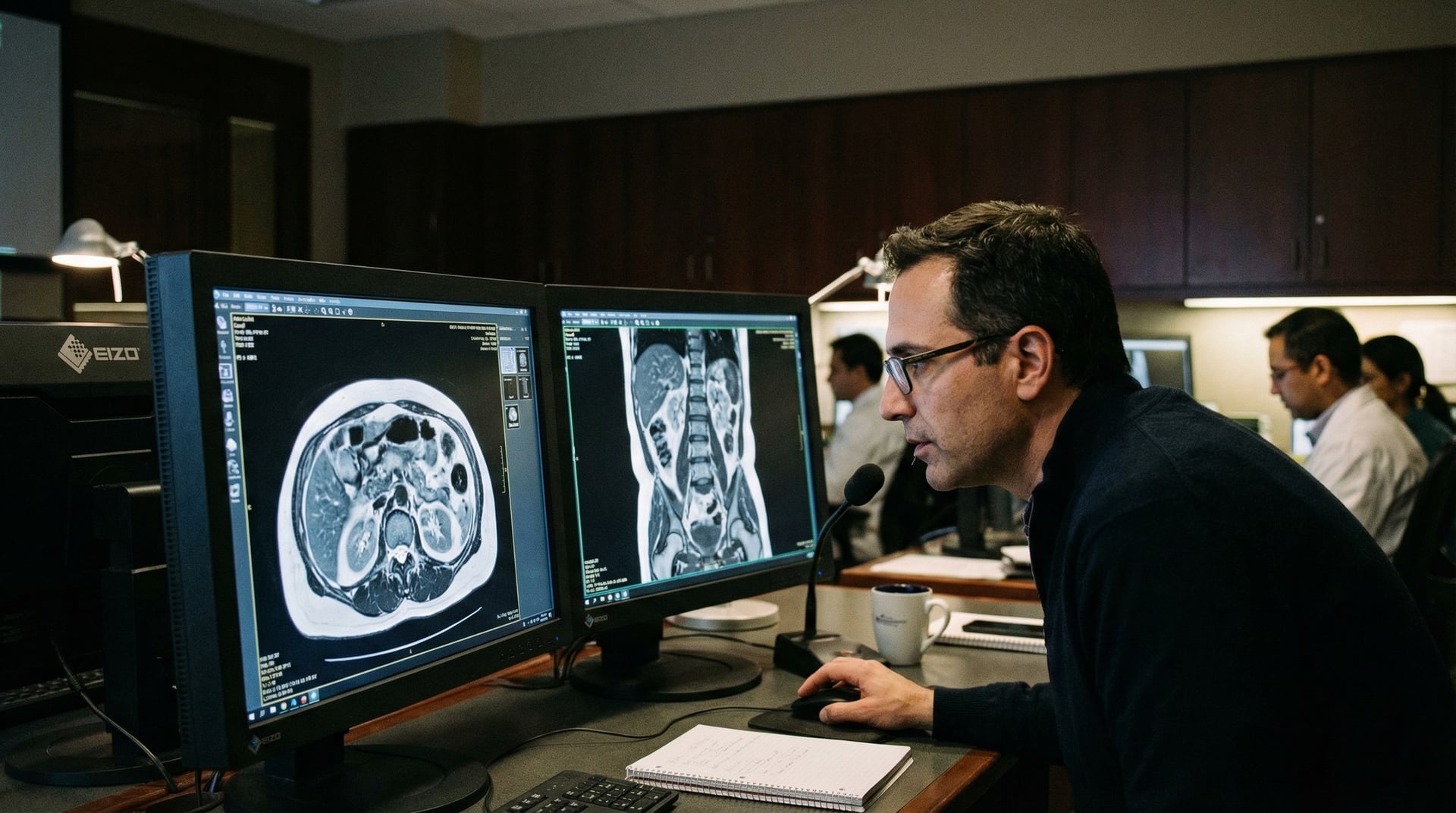
An MRI image requires expert interpretation. The quality of that interpretation depends on the training, specialisation, and experience of the radiologists reviewing your scan.
Ask:
- Are the radiologists certified in Switzerland?
- Do they have subspecialty expertise relevant to the body regions being scanned (e.g., musculoskeletal imaging, neuro-radiology, oncological imaging)?
- Do they do a double reading, e.g., by one general radiologist and one Neuroradiologist?
- Is there a medical advisory board with academic credentials? University-affiliated physicians tend to stay at the frontier of diagnostic standards because they're involved in research and training.
- How many MRI scans has the team reviewed? Experience matters in pattern recognition, and preventive screening in asymptomatic adults requires a different calibration than diagnostic imaging for symptomatic patients. A team that has reviewed tens of thousands of preventive scans will have a stronger sense of what's normal variation versus an early finding worth flagging.
The scan protocol is part of this too. A protocol designed by the same team that reads the results will be tuned to the questions they're trying to answer; one bought off the shelf and read by a separate team introduces a disconnect.
Insurance and cost
Preventive MRI is not covered by Swiss basic health insurance (Grundversicherung). This applies to all providers, because the basic insurance system requires a clinical indication for imaging.
Supplementary insurance (Zusatzversicherung) may cover part of the cost. KPT's supplementary insurance "Pulse" reimburses up to CHF 1,500 for Ahead Health services. Other supplementary insurers, including Sanitas, Visana, Sympany, and Atupri, may cover blood analysis to varying degrees as part of preventive health benefits.
When comparing prices, look at what's included at each price point. A package that costs CHF 2,490 with 81 blood biomarkers, imaging biomarkers, gender-specific screening, and an integrated report is a different product from one at the same price with 22 biomarkers and separate MRI and blood portals. The headline price is only useful once you know what it buys.
A checklist for comparing providers
When evaluating a preventive MRI check-up, these are the questions that matter:
| Question | What to look for |
|---|---|
| Body coverage | Head to knee, or head to mid-thigh? Hip/knee scans included? |
| Gender-specific screening | Prostate or ovarian screening included as standard? |
| Scan protocol | Custom-built by MRI physicists and radiologists, or manufacturer default? |
| Imaging biomarkers | How many quantitative imaging measurements? (e.g., liver fat, brain volume, visceral fat) |
| Scan duration | How long in the scanner? Shorter with equal or more data = better protocol |
| Blood biomarkers | How many? Does it include ApoB, insulin, full thyroid, vitamins, minerals? |
| Report | Integrated imaging + blood? Personalised action plan? Plain language? |
| Longitudinal tracking | Can you compare year-on-year? |
| Follow-up testing | Easy blood retesting without rebooking a full package? |
| Upload existing health data | Can you import previous blood results or medical records to inform your baseline? |
| Pre-scan medical questionnaire | Does the provider collect your medical history, lifestyle, and family risk factors before your scan, so the report reflects your full context? |
| Clinical facility | Hospital-grade? Licensed clinic or platform? |
| Radiology team | Board-certified? Subspecialty expertise? Academic affiliations? |
| Medical team experience | How many scans reviewed? |
| Data continuity | Can you export your data? Will the provider still exist for your next scan? |
| Regulatory status | Licensed Swiss medical clinic, or third-party booking platform? |
How Ahead Health approaches preventive check-ups
At Ahead, we've designed our check-ups around the principles described in this article because we believe they matter.
Our full-body MRI uses a custom bi-parametric protocol developed by Dr. Sven Jaeschke (PhD in MRI physics, University of Oxford), Prof. Olivio Donati (radiology, University of Zurich), Prof. Michael Fischer (musculoskeletal imaging, University of Zurich), and our medical advisory board. The scan takes approximately 40 minutes and captures ~20 imaging biomarkers*, with a total appointment time of about 60 minutes. In Zurich, scans are performed at Hirslanden.
Our Advanced package (CHF 2,490) includes the full-body MRI with gender-specific screening, 81 blood biomarkers, imaging biomarkers, body composition analysis, a personalised action plan, and an integrated report that cross-references imaging and blood findings. The Pro package (CHF 3,549) adds hip and knee scans, brain volume analysis, and hormone and B-vitamin blood panels.
Every report is reviewed by a physician, written in plain language, and designed to give you a clear next step. Before your appointment, you complete a medical questionnaire covering your health history, lifestyle, and family risk factors, so your results are interpreted in context. You can upload previous blood results, book follow-up blood tests directly through the platform, and track your biomarkers over time.
Ahead is a licensed Swiss medical clinic based in Zurich (GLN 7601009346187, ZSR B639334), and our services are designed to complement your GP, not replace them.
Supplementary health insurers may cover part of the cost for our full-body check-ups. For example, KPT's supplementary insurance "Pulse" reimburses up to CHF 1,500 for Ahead Health services.
Conclusion
The preventive MRI market in Switzerland gives you options that didn't exist a few years ago. That's good. But the differences between providers are real, and they affect the quality of the health data you receive. Asking the right questions before you book will help you choose a check-up that gives you a genuine baseline, one you can track, understand, and act on.
Frequently asked questions

CEO
First employee, CTO, and CMO at Coolblue, contributing to a 1B+ exit. Former product executive at Google for Flights and Shopping, and CCO at Suitsupply, overseeing DTC growth with 100+ stores. Recently incubated the consumer healthtech company, Everyman.