Skip to content
See your health improve
Lung and airwaysDetected by MRI

Sarcoidosis

A chronic inflammatory disease forming granulomas in various organs, most commonly the lungs. MRI helps assess the extent of organ involvement to guide treatment.
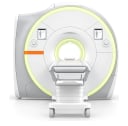
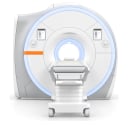
Early detection matters

Our comprehensive check-up screens for sarcoidosis and hundreds of other conditions.

Related biomarkers we test

Monocytes (abs.)

The absolute count of monocytes per liter of blood. Monocytes are white blood cells that migrate into tissues and become macrophages, where they engulf pathogens, dead cells, and debris. The absolute count is important because it reflects the actual capacity for tissue repair and immune surveillance independent of other white blood cell changes.

Eosinophils (abs.)

The absolute count of eosinophils per liter of blood. Eosinophils are white blood cells involved in fighting parasitic infections and mediating allergic responses. The absolute count is more clinically meaningful than the percentage, as it directly reflects the body's eosinophilic activity regardless of total white blood cell levels.

Lymphocytes (abs.)

The absolute count of lymphocytes per liter of blood. Lymphocytes include T cells and B cells — the cornerstone of adaptive immunity — as well as natural killer (NK) cells, which provide innate immune defense. The absolute count is critical for assessing immune competence, as a normal percentage can hide true lymphopenia when total white blood cells are low.

Calcium, total

Calcium is essential for bone health, muscle contraction, nerve transmission, and blood clotting. Most calcium is stored in bones, with only a small portion circulating in blood under tight regulation.

Albumin-corrected calcium

Accounts for calcium bound to albumin, providing a more accurate measure of biologically active calcium. Essential for bone health, nerve transmission, and muscle contraction.

Monocytes

Monocytes develop into macrophages that kill pathogens and dead cells.

Lymphocytes

Lymphocytes (including T cells and B cells) provide targeted immune responses and immunological memory.

Leukocytes

Leukocytes, also known as white blood cells, are crucial for immune system function: the total white blood cell count measures overall immune activity, while differential testing examines specific cell types.

Eosinophils

Eosinophils combat parasites and participate in allergic responses.

Alkaline phosphatase

Found in multiple tissues (liver, bones, kidneys, and bile ducts), this enzyme helps break down proteins and is essential for many bodily functions. In liver contexts, elevated ALP often suggests bile duct obstruction.

Related conditions in Lung and airways