
Heart health · Start with a blood test
Your heart risk is more than a cholesterol number
Worried about your heart, or heart disease in the family? A cholesterol test only scratches the surface. We read what really shapes your risk, ApoB, Lp(a) and inflammation, and a doctor turns it into a clear plan.






Reasons people check their heart
You can't feel your heart's risk building
Most of what drives heart disease is silent for years. These are the reasons people decide to look, rather than wait.
Heart disease in the family
A parent or sibling who had a heart attack or stroke early is one of the clearest reasons to check. Part of that inherited risk, Lp(a), is a one-time blood measurement.
“My cholesterol is normal”
A normal cholesterol result is reassuring, but it doesn't count the number of harmful particles (ApoB) or your inherited Lp(a), so on its own it can miss real risk.
High blood pressure or blood sugar
Raised blood pressure or blood sugar add to cardiovascular risk over time. Seeing them alongside your lipids gives the fuller picture.
You've never really been checked
Standard check-ups rarely include ApoB, Lp(a) or hs-CRP. If you've never seen these numbers, you've never seen this part of your risk.
A scare, or a milestone birthday
A friend's heart attack, or turning 40, is a common prompt. The earlier you see your numbers, the more time you have to act on them.
You feel fine and want to keep it that way
Feeling well isn't the same as being low-risk. A baseline now is something to measure against later.
Don't guess about your heart.Measure it.
Cutting out butter or buying a supplement is a guess. One blood test shows which of your markers are actually raised, so you and a doctor can act on the real picture, not a hunch.

One number rarely tells the whole story
The clearest picture of your heart comes from reading several markers together, not from a single cholesterol value.
Your LDL looks fine, but ApoB says otherwise.
LDL cholesterol can sit in the normal range while ApoB, the count of harmful particles, runs higher than it suggests. Reading them together catches risk a single cholesterol number can miss.
What we measure
Your heart risk is built from more than cholesterol
The Advanced Blood Test reads 16 cardiovascular-related markers across four parts of your risk, and Lp(a) is a one-time add-on that completes the picture.

Lipids & particles
Beyond total cholesterol, LDL, HDL and triglycerides, we count ApoB, the number of artery-clogging particles a cholesterol value alone can miss.
11 markers

Inherited risk
Lp(a) is a largely inherited, lifelong risk factor that a standard panel skips. For most people it only needs measuring once.
1 marker

Inflammation
hs-CRP reflects low-grade inflammation in the blood vessels, a strand of cardiovascular risk that cholesterol doesn't capture.
1 marker

Metabolic co-drivers
HbA1c shows your average blood sugar over the past three months. It feeds into cardiovascular risk, so we read it alongside your lipids.
4 markers
Explore additional add-ons: Lp(a) test · Coronary calcium score
Beyond your blood test
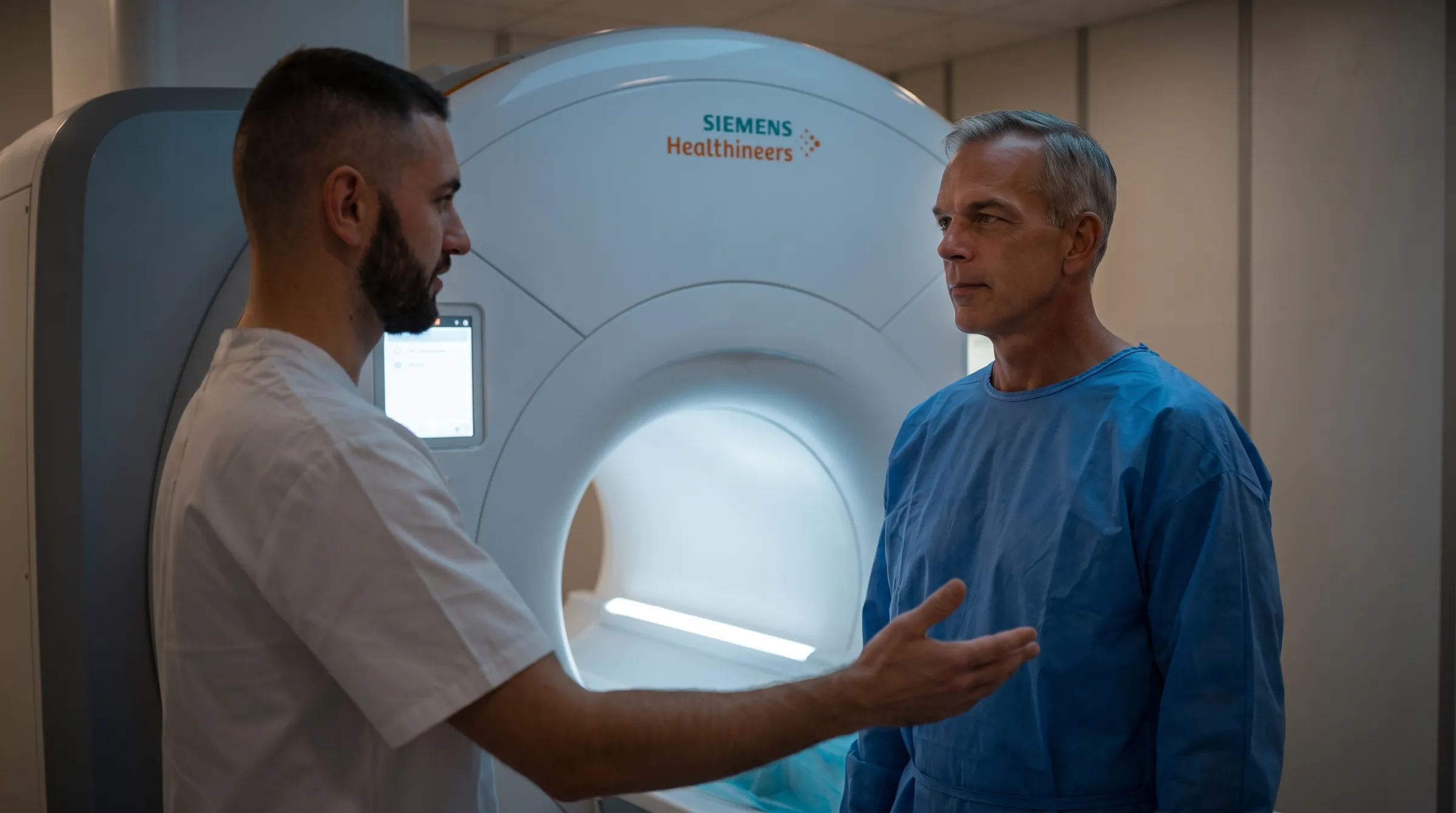
A calcium score shows what your blood can't
Your bloods show the risk factors. A coronary calcium score, a quick low-dose CT, shows calcified plaque that has already formed in your heart's arteries. It's the imaging test that speaks directly to your heart.
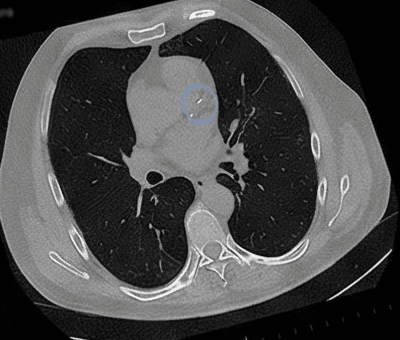
Sees the plaque itself
Plaque a blood test can't see. The hardened, calcified plaque already in your coronary arteries, shown directly.
Your calcium score
A number, not a maybe. Your plaque quantified from zero up, so you and your doctor know exactly where you stand.
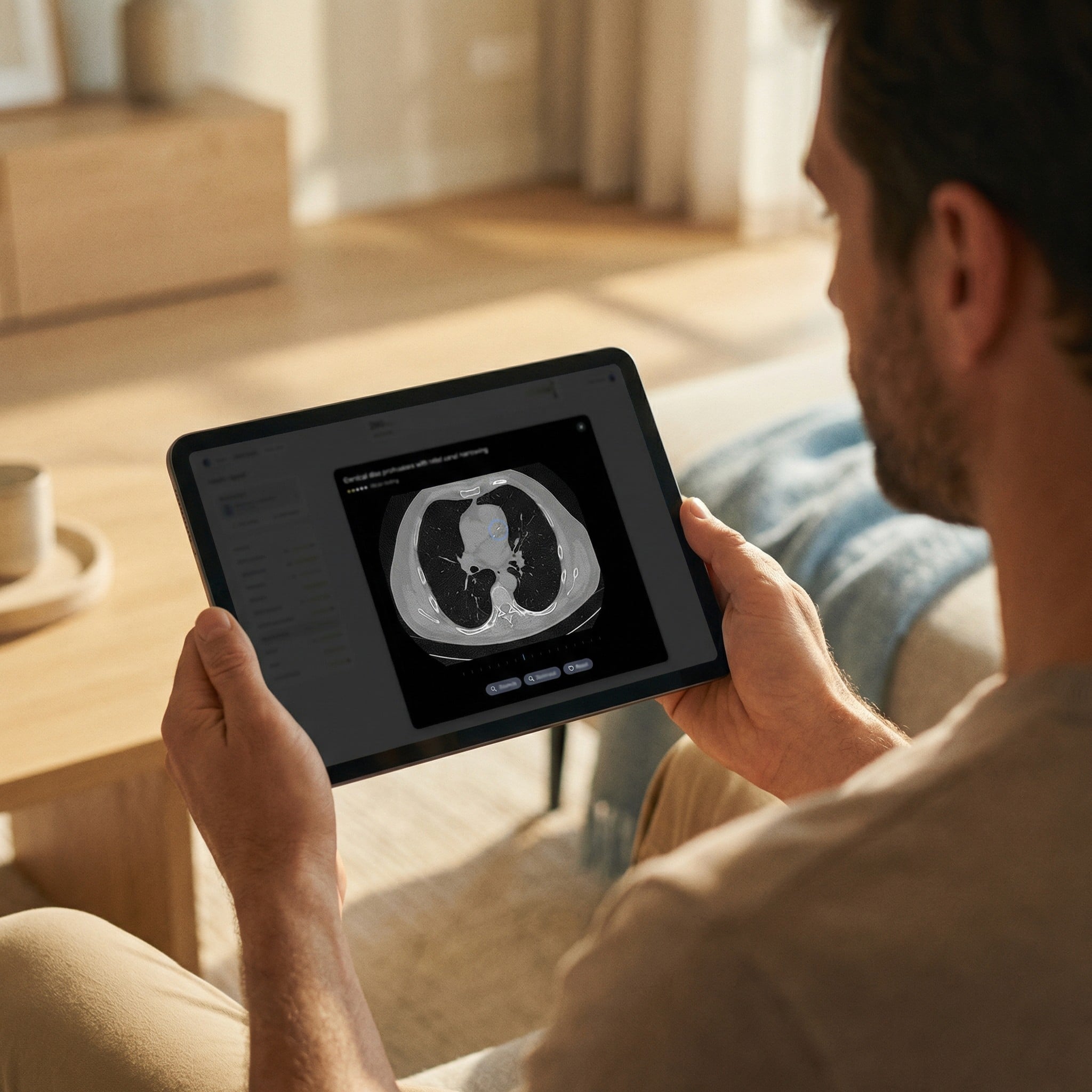
Sharpens your prevention
Turns your score into action. Especially with heart disease in the family, it helps decide how actively to act.
How it works
Three steps to know where your heart stands
From booking to a doctor-reviewed plan in under a week.

Book online
Choose a time at one of our 11 ISO-certified labs across Switzerland. No referral needed.

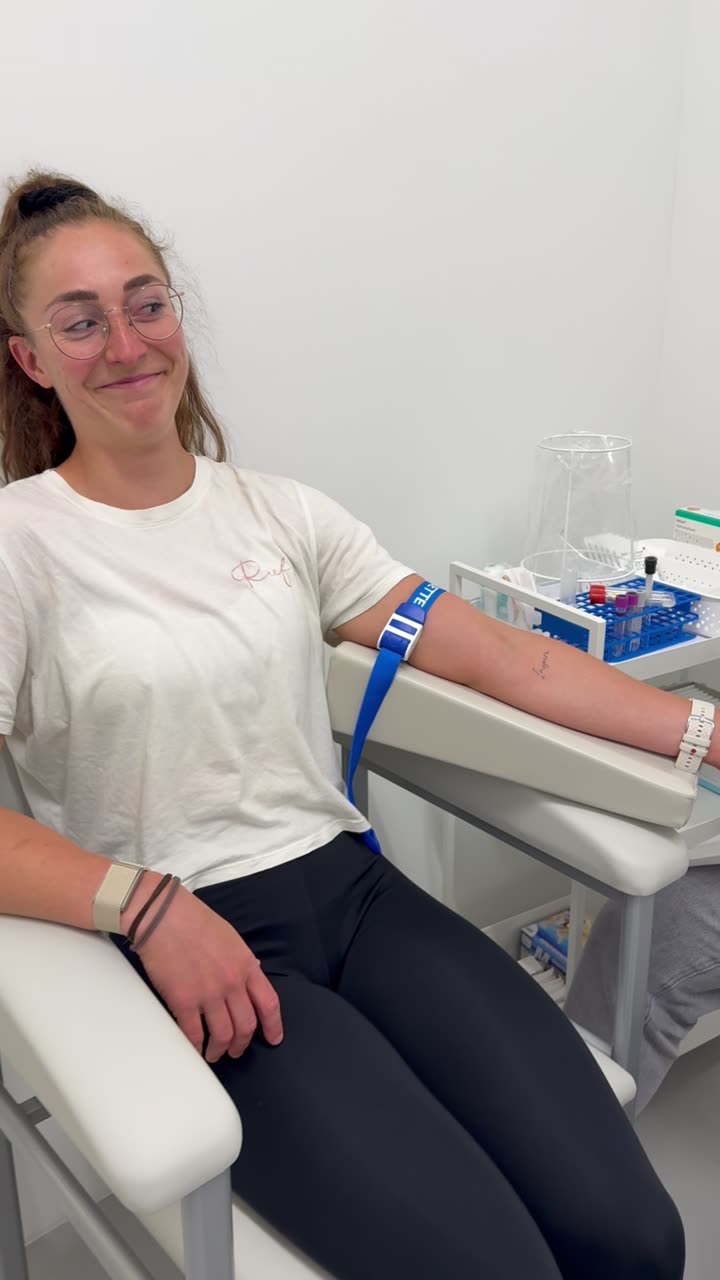
Give a blood sample
A quick blood draw at the lab, just a few minutes.

Add imaging, if you want the full picture
In one visit, add a coronary calcium score (a low-dose CT of your heart), plus a full-body MRI screen of your organs.

Doctor-reviewed results and plan
A licensed doctor reviews every marker and turns your results into clear, personalised next steps.
Your report
Not a spreadsheet. A plan you can act on.
A doctor reviews every one of your markers and shows you which are off, what it means for your heart, and what to do next.




 Prof. Dr. med. Olivio Donati
Your recent health check-up provides a detailed overview of your health, showing some very positive developments alongside a few areas that warrant attention. The most notable findings are related to age-appropriate wear-and-tear in your spine.


Real results from real people
Every health journey is unique. Read how others took control of their health with Ahead.










Why not just ask my GP?
A GP visit is a good start. An Ahead check-up goes further, on scope and timing.
The Ahead check-up
- Reads ApoB, Lp(a) and hs-CRP, not just standard cholesterol
- 80+ markers read together
- Doctor-reviewed action plan
- Proactive, before symptoms
- Add coronary calcium (CT) and a full-body MRI
- Results in 5–7 days
A typical GP visit
- Usually a basic cholesterol panel
- A few markers in isolation
- Often “your numbers are fine”
- Reactive, once there's a problem
- Imaging only on referral
- Referral and waiting

Start simple, or see the whole picture
Begin with the blood test, or add the imaging picture with a full-body MRI and a coronary calcium score.
Single blood test
One snapshot 80+ biomarker blood test
One time
CHF 299
- Advanced 80+ biomarker blood test
- Personal report & action plan
- —Coronary calcium score (low-dose CT)
- —Plaque already in your arteries, scored
- —Full-body MRI screen of your organs
- —A look at your aorta
The full check-up
Your bloods, a coronary calcium score, and a full-body MRI screen. Lp(a) is a one-time add-on
One time
from CHF 2'490
- Advanced 80+ biomarker blood test
- Personal report & action plan
- Coronary calcium score (low-dose CT)
- Plaque already in your arteries, scored
- Full-body MRI screen of your organs
- A look at your aorta
Screening, not a diagnosis. Every result is reviewed by a licensed doctor, and complements, not replaces, your own physician.



Prof. Dr. med. Edouard Battegay
Emeritus Professor of Internal Medicine at the University of Zurich. Head of the International Center for Multimorbidity and Complexity in Medicine.

Prof. Dr. Benedikt Wiestler
Professor of AI for image-guided diagnosis and therapy at the Technical University of Munich.

Prof. Dr. med. Michael Fischer
Professor of Radiology at the University of Zurich, abdominal and musculoskeletal specialist.

Prof. Dr. med. Olivio Donati
Professor of Radiology at the University of Zurich, oncology specialist and leading Swiss prostate expert.

Dr. med. Anna Erat, MD, PhD
Harvard Medical School-trained prevention expert. Faculty position at the University of St. Gallen Executive School.
Frequently asked questions
Read all FAQs →
Advanced blood test · heart health
See where your heart really stands
Know which of your markers are raised, what it means, and what to do, reviewed by a doctor in 5–7 days.
No referral needed · Doctor-reviewed action plan