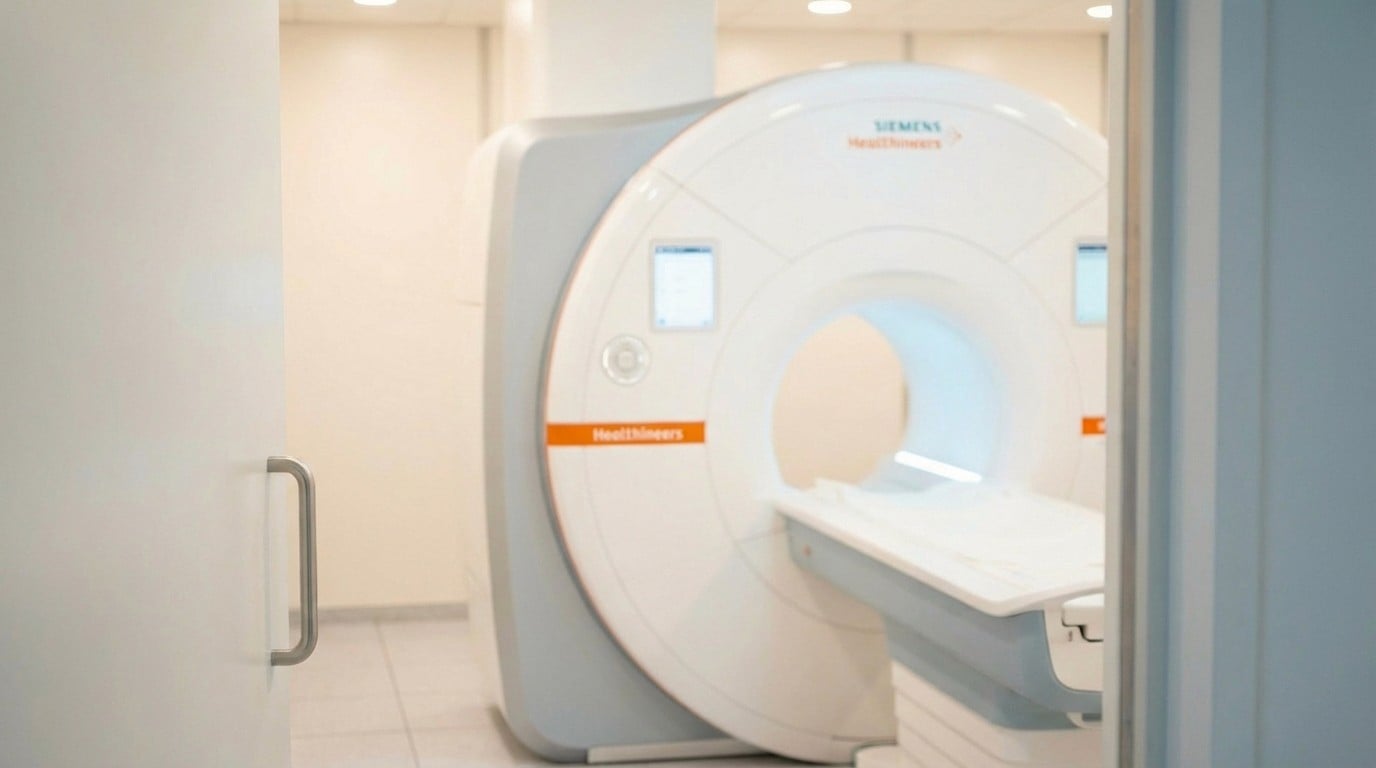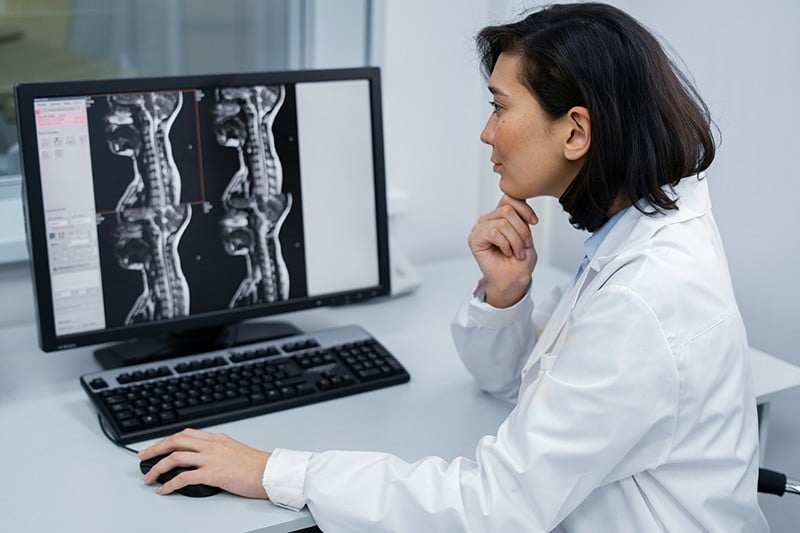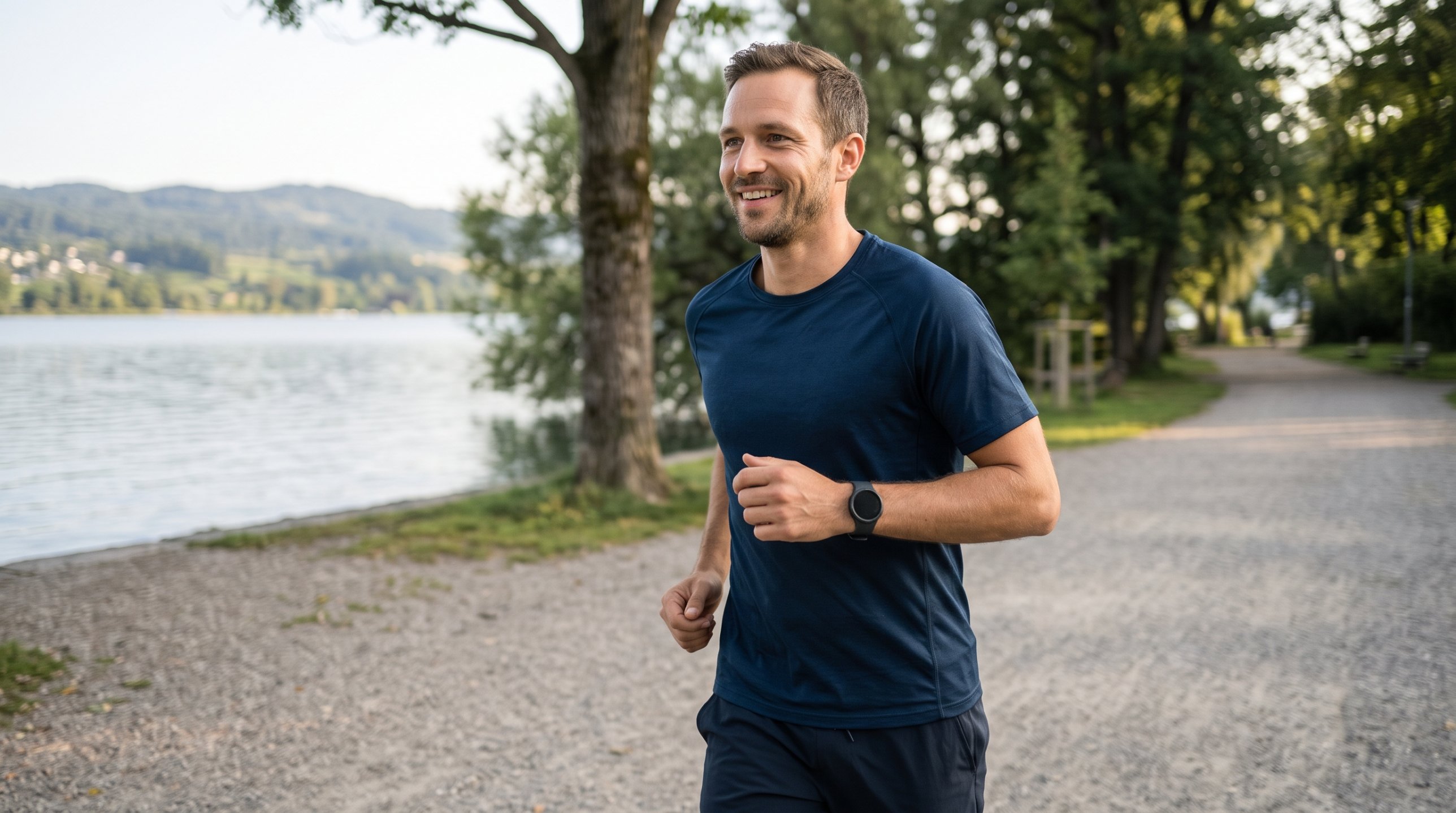
Your Ahead check-up can now include the data from your watch. Up to 90 days of steps, sleep, resting heart rate and heart rate variability (HRV), right next to your blood and MRI results.
Picture this: you're training for a marathon. Your watch says your recovery is low. Again. It can't tell you why, or what to change.
Or you're not training for anything at all. You sleep with your watch on, check your sleep score most mornings, and wonder what three months of it actually say about you.
That's the gap we wanted to close.
Why I wanted this
Ahead Health has always been about your whole health picture. A blood test is a precise read of one morning. A full body MRI is a detailed look at how you're built. Both are important inputs, but they're snapshots.
Meanwhile, about 1 in 3 people in the EU wear a smartwatch or fitness band.¹ In Switzerland, more than half of people track their physical activity.² That's months of data on how you move, sleep and recover. Until now, it stayed on your phone.
The part that matters most was never the data itself. It's making sense of it, and turning it into next steps. So now your doctor sees the weeks before your check-up, not just the morning you walked in.
One step closer to concierge preventative health, for the rest of us.
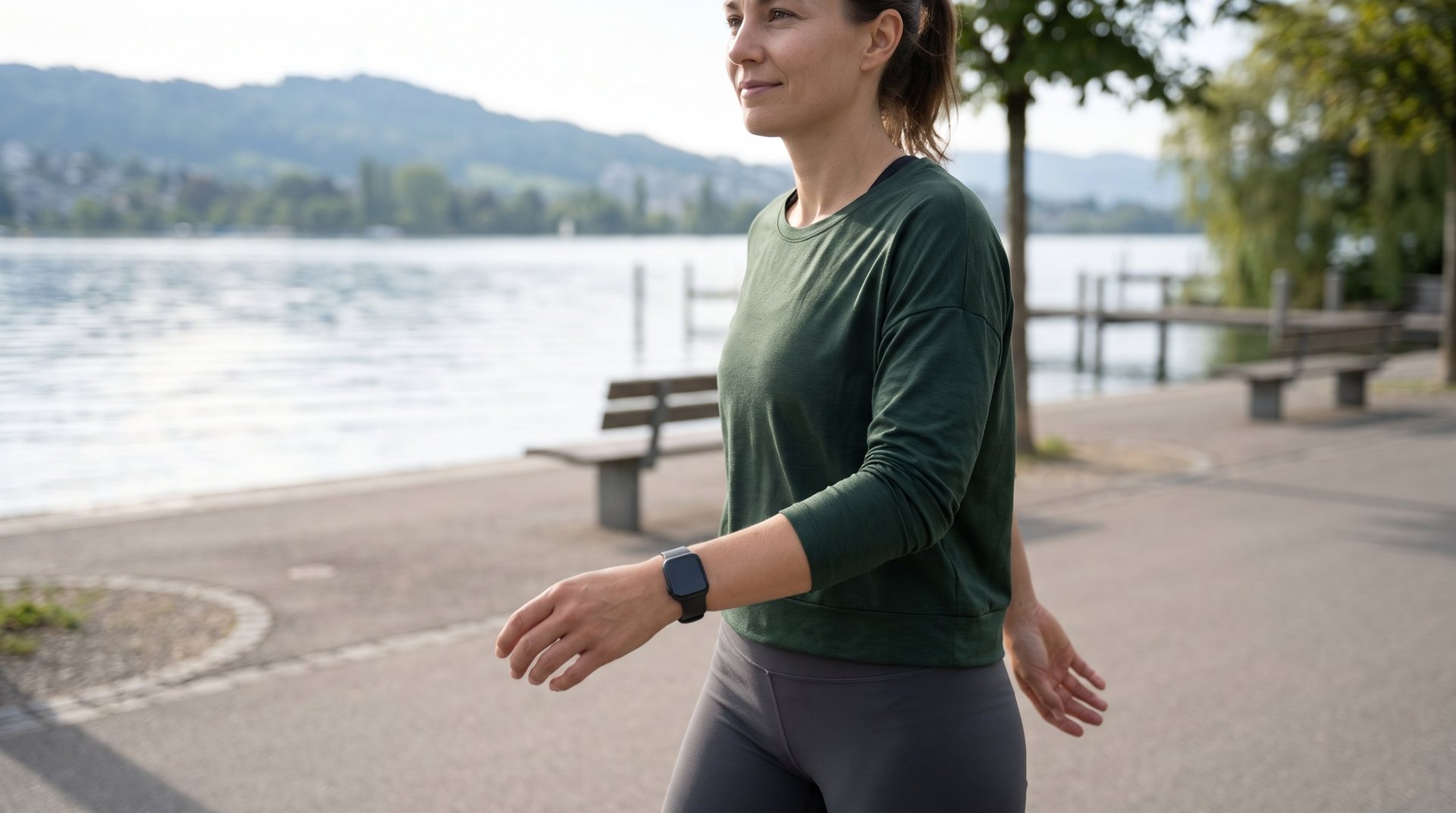
How it works when you join Ahead Health
- Book your check-up
- Upload your Apple Health, Oura or Garmin export or activity files, or connect Google Health or Withings
- Your Ahead doctor sees up to 90 days of your data next to your blood and MRI results
- You get your report, with concrete next steps
Everything happens in your browser, on your phone or computer. No new app to install, no new device to buy.
Adding yours, step by step
- Open your report and choose the to-do card for your wearable data.
- Read the consent screen and agree to share your data with Ahead.
- Choose your source.
- Upload your file, or connect your Google Health or Withings account.
- Check the "What your doctor will see" screen.
- Come back at any time to disconnect, re-upload or ask us to delete your data.
When: best before your doctor starts reviewing your results. Connected sources sync every hour until then. After that, adding data is paused for this check-up. When you connect Google Health, Google shows an "unverified" notice while it completes its review of Ahead. We explain this before you start.
What your doctor actually looks at
Depending on your device: steps and active minutes, resting heart rate, heart rate variability (HRV), sleep duration and sleep score, workouts, and weight from a Withings scale.
A number needs a yardstick, so each reading is shown as a 7-day average and compared with the reference that suits it:
| Reading | Compared with |
|---|---|
| Sleep | A published guideline of 7 to 9 hours a night |
| Activity minutes | The WHO guideline of 150 minutes a week |
| Steps | A published guideline band |
| Resting heart rate | A clinical range |
| HRV | Your own 30-day baseline |
HRV is very personal, so yours is compared with your own normal rather than anyone else's. Comparing HRV between people is a bit like comparing shoe sizes. A reading needs data on at least 4 of the 7 days, so wearing your device most days gives your doctor more to go on.
Your doctor can take all of this into account in your health notes and recommendations. A stretch of short nights or a heavy training block can put your blood results in context.
A few numbers that stuck with me
- Fewer than 1 in 3 adults in the EU reach 150 active minutes a week in their free time (31.7%), and almost half (48.4%) do none.³
- Up to 1 in 10 adults in Europe live with insomnia.⁴
- 73% of people surveyed in 11 European countries support sharing their health data to get treatment plans tailored to them.⁵
Lots of signals. Lots of people happy to share them. What was missing is a doctor reading them next to the rest of your results.
Recovery is part of training
If you train several times a week, you already measure every session: pace, power, distance, it's all there. How well you recover in between is harder to read from a watch.
Bring your training files to your check-up, and your doctor sees your HRV, resting heart rate and sleep (where your data includes them) next to your workouts and blood results. Recovery and training, read together.
What it isn't (yet)
- It isn't a live feed. Your doctor sees your data when they review your results, and you won't get notifications when a number changes.
- Your wearable charts don't show up in your report yet. At launch, your doctor sees the detail.
- There's no direct connection for Apple Watch or Garmin yet. Their data comes in by file.
- It doesn't add exercise or recovery actions to your action plan, and it doesn't read glucose sensors.
- Your watch doesn't diagnose anything. Your doctor reads its data as context, next to your blood and MRI results.
And on privacy: we never sell your wearable data or use it for advertising. We keep the values we read from your file, never the file itself. You can disconnect, re-upload or ask us to delete your data at any time. Findings your doctor has already written into your report stay part of your medical record, as the law requires. More in our privacy policy .
Thanks, team
Plugging in a watch sounds simple. It wasn't. Getting it right meant provider terms, file formats, and working out how many days of data it takes to judge a week (four out of seven, it turns out). Mega proud of the team that sweated the little big details.
Conclusion
You've been collecting this data for months. Now it can do something: sit next to your blood and MRI results, in front of your doctor. If you're an Ahead member, open your report and upload or connect what you have, ideally before your doctor starts reviewing.
Bring your watch to your check-up. And tell us what you'd like to bring next.