Skip to content
See your health improve
Blood disordersDetected by blood test

Anemia

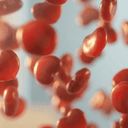
A reduction in red blood cells or hemoglobin, causing fatigue, weakness, and shortness of breath. Blood testing identifies the type and severity to guide appropriate treatment.

Early detection matters

Our comprehensive check-up screens for anemia and hundreds of other conditions.

Related biomarkers we test

Lactate dehydrogenase (LDH)

LDH is an enzyme present in most tissues and released when cells are damaged.

Erythrocyte sedimentation rate

ESR measures the speed at which red blood cells settle in a tube over one hour. It is a broad indicator of inflammation.

Thrombocytes (platelets)

Platelets (thrombocytes) are blood cells essential for blood clotting. When vessel damage occurs, they adhere to injury sites and initiate the coagulation cascade to prevent excessive bleeding.

Leukocytes

Leukocytes, also known as white blood cells, are crucial for immune system function: the total white blood cell count measures overall immune activity, while differential testing examines specific cell types.

Red cell distribution width (RDW-SD)

Red Cell Distribution Width (Standard Deviation) is another measure of red blood cell size variation using standard deviation. It provides similar information to RDW-CV but with a different calculation method.

Red cell distribution width (RDW-CV)

Red Cell Distribution Width (Coefficient of Variation) measures the variation in red blood cell size. Elevated values indicate greater variation in cell size (anisocytosis) and can help diagnose certain anemias.

Mean corpuscular volume (MCV)

Mean Corpuscular Volume measures the average size of red blood cells. It helps diagnose different types of anemia - elevated in macrocytic anemia, decreased in microcytic anemia, and normal in normocytic anemia.

Mean corpuscular hemoglobin concentration (MCHC)

Mean Corpuscular Hemoglobin Concentration measures the average concentration of hemoglobin in a given volume of red blood cells. It helps distinguish between different types of anemia and assess cell hydration status.

Mean corpuscular hemoglobin (MCH)

Mean Corpuscular Hemoglobin measures the average amount of hemoglobin per red blood cell. It helps evaluate the hemoglobin content of cells and is used alongside other RBC indices to classify anemias.

Hemoglobin

Hemoglobin is a protein in red blood cells that binds to oxygen in the lungs and delivers it to tissues throughout the body. It also plays a role in transporting carbon dioxide back to the lungs for exhalation.

Hematocrit

Hematocrit measures the percentage of blood volume occupied by cellular components, with the largest portion being red blood cells (erythrocytes). When blood is centrifuged, blood cells settle at the bottom, creating a visible layer that indicates their proportion relative to total blood volume.

Erythrocytes

Red blood cells (erythrocytes) are the most abundant blood cells and carry oxygen from lungs to tissues throughout the body via hemoglobin. They have a biconcave disc shape that maximizes surface area for gas exchange.

Bilirubin, indirect

Indirect bilirubin results from the breakdown of red blood cells before processing by the liver.

Vitamin B12

Vitamin B12 is a water-soluble vitamin essential for the production of red blood cells, the synthesis of DNA, and the healthy functioning of the nervous system. It also supports brain function and energy metabolism. The body cannot make B12 on its own and relies on dietary sources such as meat, fish, eggs, and dairy. Excess B12 is stored in the liver, so deficiency can take time to develop but may lead to serious health issues if not addressed.

Transferrin saturation

Transferrin saturation is the percentage of transferrin that is bound with iron. It reflects how much of the transport protein is being used.

Transferrin

Transferrin is a liver-produced protein that transports iron in the blood to various tissues. It binds and carries iron to where it's needed.

R2* relaxation (R2*)

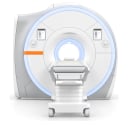
A magnetic resonance parameter sensitive to iron concentration in tissues. Elevated hepatic R2* values suggest increased iron deposition in the liver (hemochromatosis or hemosiderosis).

Iron

Iron is an essential trace element involved in the production of hemoglobin and the transport of oxygen in the blood. In circulation, most iron is bound to the protein transferrin.

Folic acid (Vitamin B9)

Folic acid, or folate in its natural form, is a water-soluble B vitamin that plays a key role in cell division, DNA synthesis, and red blood cell formation. It is especially important during periods of rapid growth, such as pregnancy and adolescence. Folate is found in leafy greens, legumes, citrus fruits, and fortified foods. The body cannot produce folate and depends on regular dietary intake.

Ferritin

Ferritin is a protein that stores iron and releases it when needed. Ferritin levels in the blood reflect the body's iron storage.

Related conditions in Blood disorders