Your insurance may cover part of your check-up · Check your coverage
Your insurance may cover part of your check-up · Check your coverage
Biomarkers included in
our advanced blood test
Biomarkers included in
our advanced blood test
Biomarkers included in
our advanced blood test
Our advanced blood test gives you more clarity on important health markers and flags signals worth a closer look.
The Ahead Health check-up can show signs of certain diseases but is not conclusive or definitive for all conditions, may require follow-up tests, and does not replace other medical check-ups.
FILTER BY PACKAGE:
Compare packages
FILTER BY PACKAGE
Compare packages
Heart health
Apolipoprotein B
A protein found on the surface of all atherogenic lipoproteins including LDL.Since each ApoB particle contains one lipoprotein, ApoB levels directly reflect the number of potentially harmful particles in circulation. Elevated levels strongly correlate with increased cardiovascular risk, and often provide a more accurate risk assessment than LDL alone
Atherogenic Index of Plasma (AIP)
A logarithmic ratio of triglycerides to HDL cholesterol [log₁₀(TG/HDL-C)] that reflects the balance between atherogenic and protective lipoproteins. The logarithmic transformation converts the TG/HDL ratio into a scale that correlates directly with LDL particle size and the proportion of small, dense LDL particles. AIP integrates information about all lipoprotein fractions into a single value that indicates overall atherogenic potential.
Cholesterol, total
The overall amount of cholesterol in your bloodstream. High levels can increase risk of heart disease.
HDL Cholesterol
Often called "good cholesterol," it helps remove excess cholesterol from your arteries and transports it to the liver for processing, offering protection against atherosclerosis and heart disease.
LDL/HDL Ratio
A calculated ratio comparing "bad" cholesterol (LDL) to "good" cholesterol (HDL). providing a single metric that reflects the balance between cholesterol delivery to tissues and cholesterol removal from arterial walls. This ratio integrates both atherogenic and protective lipid factors into one value that indicates net cardiovascular risk.
LDL Cholesterol
Known as "bad cholesterol," it can accumulate in arterial walls, forming plaques that narrow blood vessels and increase risk of heart attack and stroke.
Non-HDL Cholesterol
Non-HDL cholesterol represents all potentially atherogenic lipoproteins, calculated by subtracting HDL from total cholesterol. It includes LDL, VLDL, and other cholesterol-carrying particles associated with cardiovascular risk.
Remnant Cholesterol
The cholesterol contained in triglyceride-rich lipoprotein particles and their remnants. leftover particles from fat digestion and transport. These include VLDL (very low-density lipoprotein) and IDL (intermediate-density lipoprotein) particles produced by your liver and gut. It's calculated by subtracting your HDL ("good") cholesterol and LDL ("bad") cholesterol from your total cholesterol.
Triglycerides
Triglycerides are the main form of fat stored in the body and circulating in blood. They serve as an energy source and are derived from calories not immediately used. Elevated levels increase risk of cardiovascular disease
LDL-Cholesterol / ApoB Ratio
This ratio compares LDL cholesterol to apolipoprotein B (ApoB), a protein present on atherogenic lipoproteins. It helps distinguish how cholesterol is distributed among particles. A lower ratio suggests many small, dense LDL particles, which are more prone to penetrate artery walls and drive plaque formation.
Non-HDL cholesterol / HDL cholesterol ratio
This ratio compares all atherogenic cholesterol particles to protective HDL cholesterol. It reflects the balance between cholesterol delivery to tissues and cholesterol removal from tissues.
Total Cholesterol / HDL Cholesterol Ratio
This ratio evaluates overall cholesterol relative to protective HDL cholesterol. It is a commonly used measure of lipid-related cardiovascular risk.
Heart risk score (SCORE2)
SCORE2 estimates your 10-year risk of heart attack or stroke based on blood pressure, cholesterol, age, and other factors.
Albumin/Globulin (A/G) Ratio
A calculated value comparing albumin (the main transport protein made by the liver) to globulins (a diverse group including antibodies. clotting factors. and inflammatory proteins). Since albumin normally comprises about 60% of total protein and globulins 40%. this ratio reflects the balance between liver synthetic function. nutritional status. and immune/inflammatory activity.
Stomach and gut health
Alanin Aminotransferase
ALAT (Alanine Aminotransferase): An enzyme primarily found in liver cells. When liver cells are damaged, ALAT leaks into the bloodstream, making it a sensitive indicator of liver injury from various causes.
Albumin
The most abundant protein in blood plasma, produced by the liver. In kidney contexts, low levels in blood may indicate protein loss through damaged kidneys, while presence of albumin in urine (albuminuria) is an important marker of kidney damage
Alkaline Phosphatase
Found in multiple tissues (liver, bones, kidneys, and bile ducts), this enzyme helps break down proteins and is essential for many bodily functions. In liver contexts, elevated ALP often suggests bile duct obstruction.
Aspartat-Aminotransferase
An enzyme present in liver, heart, muscle, and other tissues. While less specific to the liver than ALAT, elevated levels often indicate liver damage when other liver markers are also abnorma
Bilirubin, total
A yellow pigment produced when the body breaks down red blood cells. The liver processes bilirubin for elimination. Elevated total bilirubin can indicate liver dysfunction, bile duct obstruction, or increased red blood cell destruction.
Ferritin
Ferritin is a protein that stores iron and releases it when needed. Ferritin levels in the blood reflect the body’s iron storage.
Gamma-Glutamyl Transferase
GGT (Gamma-Glutamyl Transferase): An enzyme particularly sensitive to alcohol consumption and certain medications. Elevated GGT can indicate bile duct issues, fatty liver disease, or alcohol-related liver damage
Iron
Iron is an essential trace element involved in the production of hemoglobin and the transport of oxygen in the blood. In circulation, most iron is bound to the protein transferrin.
Lipase
An enzyme produced primarily by the pancreas that helps digest fats. Significantly elevated lipase (often 3-5 times normal) strongly suggests pancreatic inflammation (pancreatitis), while moderate elevations may indicate other pancreatic disorders or kidney disease
Protein
Total protein measures all proteins in blood plasma, primarily albumin and globulins. It helps evaluate nutritional status, liver function, and immune system health
Transferrin
Transferrin is a liver-produced protein that transports iron in the blood to various tissues. It binds and carries iron to where it’s needed.
Transferrin Saturation
Transferrin saturation is the percentage of transferrin that is bound with iron. It reflects how much of the transport protein is being used.
Vitamin D
Vitamin D is a fat-soluble vitamin that acts like a hormone in the body. It’s essential for calcium absorption, bone health, immune function, and muscle performance. The body can produce it through sunlight exposure, but it can also be obtained from food and supplements.
Bilirubin, direct
Direct bilirubin forms when the liver processes bilirubin so it can be excreted.
Bilirubin, indirect
Indirect bilirubin results from the breakdown of red blood cells before processing by the liver.
FIB-4 Index
FIB-4 combines age, platelet count, and liver enzymes to estimate the degree of liver fibrosis.
Amylase
Amylase is an enzyme that helps digest carbohydrates and is produced mainly by the pancreas and salivary glands.
ASAT / ALAT ratio
This ratio compares two liver enzymes to give insight into liver health.
TSH
Controls thyroid hormone production, which regulates metabolism and energy. Thyroid dysfunction affects many body systems and can cause fatigue, weight changes, temperature sensitivity, and mood disturbances.
Free T3 (fT3)
Free T3 is the active thyroid hormone that regulates metabolic activity and energy use in cells.
Free T4 (fT4)
Free T4 is produced by the thyroid gland and converted to active T3 in body tissues.
Blood cell system
Erythrocytes
Red blood cells (erythrocytes) are the most abundant blood cells and carry oxygen from lungs to tissues throughout the body via hemoglobin. They have a biconcave disc shape that maximizes surface area for gas exchange
Hematocrit
Hematocrit measures the percentage of blood volume occupied by cellular components, with the largest portion being red blood cells (erythrocytes). When blood is centrifuged, blood cells settle at the bottom, creating a visible layer that indicates their proportion relative to total blood volume
Hemoglobin
Hemoglobin is a protein in red blood cells that binds to oxygen in the lungs and delivers it to tissues throughout the body. It also plays a role in transporting carbon dioxide back to the lungs for exhalation.
MCH
Mean Corpuscular Hemoglobin measures the average amount of hemoglobin per red blood cell. It helps evaluate the hemoglobin content of cells and is used alongside other RBC indices to classify anemias
MCHC
Mean Corpuscular Hemoglobin Concentration measures the average concentration of hemoglobin in a given volume of red blood cells. It helps distinguish between different types of anemia and assess cell hydration status
MCV
Mean Corpuscular Volume measures the average size of red blood cells. It helps diagnose different types of anemia - elevated in macrocytic anemia, decreased in microcytic anemia, and normal in normocytic anemia
RDW-CV
Red Cell Distribution Width (Coefficient of Variation) measures the variation in red blood cell size. Elevated values indicate greater variation in cell size (anisocytosis) and can help diagnose certain anemias
RDW-SD
Red Cell Distribution Width (Standard Deviation) is another measure of red blood cell size variation using standard deviation. It provides similar information to RDW-CV but with a different calculation method.
Platelet-to-Lymphocyte Ratio
PLR reflects the relationship between platelets which participate in clotting and inflammation and lymphocytes which support immune balance.
Platelet-to-WBC Ratio
This marker compares platelet count to total white blood cell count and therefore reflects clotting activity in relation to immune system activity.
RDW / MCV Ratio
This ratio compares variation in red blood cell size to average red blood cell volume.
Immune system health
Basophiles
Basophils release histamine during inflammatory and allergic reactions
Basophiles (abs.)
Basophils release histamine during inflammatory and allergic reactions
Eosinophiles
Eosinophils combat parasites and participate in allergic responses
Eosinophiles (abs.)
Eosinophils combat parasites and participate in allergic responses
hs-CRP
High-sensitivity C-reactive protein (hs-CRP) is a blood marker used to detect low levels of inflammation in the body. It is a more precise version of standard CRP testing and is especially useful for assessing cardiovascular risk, as even mild inflammation can contribute to heart disease.
Immature Granulocytes
Immature granulocytes are precursor cells that normally develop fully in bone marrow before entering circulation. Their presence in peripheral blood at elevated levels suggests increased demand for white blood cells, often indicating severe infection, inflammation, or bone marrow disorders such as leukemia or myelodysplastic syndromes.
Immature Granulocytes (abs.)
Immature granulocytes are precursor cells that normally develop fully in bone marrow before entering circulation. Their presence in peripheral blood at elevated levels suggests increased demand for white blood cells, often indicating severe infection, inflammation, or bone marrow disorders such as leukemia or myelodysplastic syndromes.
Leucocytes
Leukocytes, also known as white blood cells, are crucial for immune system function: the total white blood cell count measures overall immune activity, while differential testing examines specific cell types
Lymphocytes
Lymphocytes (including T cells and B cells) provide targeted immune responses and immunological memory.
Lymphocytes (abs.)
Lymphocytes (including T cells and B cells) provide targeted immune responses and immunological memory.
Monocytes
Monocytes develop into macrophages that kill pathogens and dead cells
Monocytes (abs.)
Monocytes develop into macrophages that kill pathogens and dead cells
Neutrophils
Neutrophils (primary bacterial fighters) respond rapidly to acute infections
Neutrophils (abs.)
Neutrophils (primary bacterial fighters) respond rapidly to acute infections
Thrombocytes (Platelets)
Platelets (thrombocytes) are blood cell sessential for blood clotting. When vessel damage occurs, they adhere to injury sites and initiate the coagulation cascade to prevent excessive bleeding.
Erythrocyte Sedimentation Rate
ESR measures the speed at which red blood cells settle in a tube over one hour. It is a broad indicator of inflammation.
NLR (Neutrophils/Lymphocytes)
NLR reflects the balance between neutrophils which drive early inflammation and lymphocytes which regulate immune control.
SII (Systemic Immune-Inflammation Index)
SII integrates neutrophil, platelet, and lymphocyte counts into a single measure of immune and inflammatory status.
SIRI (Systemic Inflammation Response Index)
SIRI combines neutrophils, monocytes, and lymphocytes to evaluate immune response and inflammation severity.
Metabolism
Fasting Glucose
Fasting blood glucose measures blood sugar levels after fasting for at least 8 hours. It's used to screen for and monitor diabetes, with elevated levels indicating impaired glucose metabolism
HbA1c (IFCC)
Glycated hemoglobin according to International Federation of Clinical Chemistry standards. It's an alternative measurement system for HbA1c that uses different units (mmol/mol) than NGSP (percentage)
HbA1c (NGSP)
Glycated hemoglobin according to National Glycohemoglobin Standardization Program standards. It reflects average blood glucose levels over the past 2-3 months and is used to diagnose and monitor diabetes management.
LDH (Lactate Dehydrogenase)
LDH is an enzyme present in most tissues and released when cells are damaged.
HOMA-Index
The HOMA index estimates insulin resistance using fasting glucose and insulin values.
Fasting Insulin
Fasting insulin measures baseline insulin levels necessary to maintain normal blood sugar.
TyG Index
The TyG index combines fasting triglycerides and glucose to estimate insulin resistance.
Bladder and kidney health
Albumin-corrected Calcium
Accounts for calcium bound to albumin, providing a more accurate measure of biologically active calcium. Essential for bone health, nerve transmission, and muscle contraction.
Calcium
Calcium is essential for bone health, muscle contraction, nerve transmission, and blood clotting. Most calcium is stored in bones, with only a small portion circulating in blood under tight regulation.
Creatinin
Creatinine is a waste product from muscle metabolism that's filtered by the kidneys and excreted in urine. Serum levels remain relatively constant with normal kidney function, making it a reliable marker for kidney filtration capacity. Elevated levels suggest reduced kidney function.
estimated Glomerular Filtration Rate (eGFR)
eGFR (estimated Glomerular Filtration Rate): Calculated using the CKD-EPI formula based on creatinine level, age, sex, and ethnic background. It estimates how much blood your kidneys filter per minute, with normal values typically above 90 ml/min/1.73m². Values below 60 ml/min/1.73m² indicate moderate kidney impairment, while values below 30 ml/min/1.73m² signifies severe impairment.
Magnesium
Magnesium is involved in over 300 enzymatic reactions, including energy production, protein synthesis, muscle and nerve function, blood glucose control, and blood pressure regulation.
Potassium
Potassium is a crucial electrolyte for heart, nerve, and muscle function. It maintains proper cell electrical potential and helps regulate blood pressure. Imbalances can cause dangerous heart rhythm disturbances.
Sodium
Sodium is the primary electrolyte in blood that regulates fluid balance, nerve impulse transmission, and muscle contraction. Imbalances can cause neurological symptoms, fluid retention, or dehydration.
Urea
A waste product from protein metabolism filtered by the kidneys. Elevated levels can indicate reduced kidney function, but are also influenced by protein intake, dehydration, and certain medications.
Uric acid
A waste product from the breakdown of purines (found in certain foods and normal cell turnover). Elevated levels can lead to gout (painful joint inflammation) and kidney stones. Persistently high levels may indicate metabolic disorders or reduced kidney clearance.
Phosphate
Phosphate is crucial for bone mineralization, energy metabolism (ATP), cell membrane structure, and acid-base balance. Its levels are regulated in relation to calcium, primarily by the kidneys and parathyroid hormone.
Heart health
Apolipoprotein B
A protein found on the surface of all atherogenic lipoproteins including LDL.Since each ApoB particle contains one lipoprotein, ApoB levels directly reflect the number of potentially harmful particles in circulation. Elevated levels strongly correlate with increased cardiovascular risk, and often provide a more accurate risk assessment than LDL alone
Atherogenic Index of Plasma (AIP)
A logarithmic ratio of triglycerides to HDL cholesterol [log₁₀(TG/HDL-C)] that reflects the balance between atherogenic and protective lipoproteins. The logarithmic transformation converts the TG/HDL ratio into a scale that correlates directly with LDL particle size and the proportion of small, dense LDL particles. AIP integrates information about all lipoprotein fractions into a single value that indicates overall atherogenic potential.
Cholesterol, total
The overall amount of cholesterol in your bloodstream. High levels can increase risk of heart disease.
HDL Cholesterol
Often called "good cholesterol," it helps remove excess cholesterol from your arteries and transports it to the liver for processing, offering protection against atherosclerosis and heart disease.
LDL/HDL Ratio
A calculated ratio comparing "bad" cholesterol (LDL) to "good" cholesterol (HDL). providing a single metric that reflects the balance between cholesterol delivery to tissues and cholesterol removal from arterial walls. This ratio integrates both atherogenic and protective lipid factors into one value that indicates net cardiovascular risk.
LDL Cholesterol
Known as "bad cholesterol," it can accumulate in arterial walls, forming plaques that narrow blood vessels and increase risk of heart attack and stroke.
Non-HDL Cholesterol
Non-HDL cholesterol represents all potentially atherogenic lipoproteins, calculated by subtracting HDL from total cholesterol. It includes LDL, VLDL, and other cholesterol-carrying particles associated with cardiovascular risk.
Remnant Cholesterol
The cholesterol contained in triglyceride-rich lipoprotein particles and their remnants. leftover particles from fat digestion and transport. These include VLDL (very low-density lipoprotein) and IDL (intermediate-density lipoprotein) particles produced by your liver and gut. It's calculated by subtracting your HDL ("good") cholesterol and LDL ("bad") cholesterol from your total cholesterol.
Triglycerides
Triglycerides are the main form of fat stored in the body and circulating in blood. They serve as an energy source and are derived from calories not immediately used. Elevated levels increase risk of cardiovascular disease
LDL-Cholesterol / ApoB Ratio
This ratio compares LDL cholesterol to apolipoprotein B (ApoB), a protein present on atherogenic lipoproteins. It helps distinguish how cholesterol is distributed among particles. A lower ratio suggests many small, dense LDL particles, which are more prone to penetrate artery walls and drive plaque formation.
Non-HDL cholesterol / HDL cholesterol ratio
This ratio compares all atherogenic cholesterol particles to protective HDL cholesterol. It reflects the balance between cholesterol delivery to tissues and cholesterol removal from tissues.
Total Cholesterol / HDL Cholesterol Ratio
This ratio evaluates overall cholesterol relative to protective HDL cholesterol. It is a commonly used measure of lipid-related cardiovascular risk.
Heart risk score (SCORE2)
SCORE2 estimates your 10-year risk of heart attack or stroke based on blood pressure, cholesterol, age, and other factors.
Albumin/Globulin (A/G) Ratio
A calculated value comparing albumin (the main transport protein made by the liver) to globulins (a diverse group including antibodies. clotting factors. and inflammatory proteins). Since albumin normally comprises about 60% of total protein and globulins 40%. this ratio reflects the balance between liver synthetic function. nutritional status. and immune/inflammatory activity.
Stomach and gut health
Alanin Aminotransferase
ALAT (Alanine Aminotransferase): An enzyme primarily found in liver cells. When liver cells are damaged, ALAT leaks into the bloodstream, making it a sensitive indicator of liver injury from various causes.
Albumin
The most abundant protein in blood plasma, produced by the liver. In kidney contexts, low levels in blood may indicate protein loss through damaged kidneys, while presence of albumin in urine (albuminuria) is an important marker of kidney damage
Alkaline Phosphatase
Found in multiple tissues (liver, bones, kidneys, and bile ducts), this enzyme helps break down proteins and is essential for many bodily functions. In liver contexts, elevated ALP often suggests bile duct obstruction.
Aspartat-Aminotransferase
An enzyme present in liver, heart, muscle, and other tissues. While less specific to the liver than ALAT, elevated levels often indicate liver damage when other liver markers are also abnorma
Bilirubin, total
A yellow pigment produced when the body breaks down red blood cells. The liver processes bilirubin for elimination. Elevated total bilirubin can indicate liver dysfunction, bile duct obstruction, or increased red blood cell destruction.
Ferritin
Ferritin is a protein that stores iron and releases it when needed. Ferritin levels in the blood reflect the body’s iron storage.
Gamma-Glutamyl Transferase
GGT (Gamma-Glutamyl Transferase): An enzyme particularly sensitive to alcohol consumption and certain medications. Elevated GGT can indicate bile duct issues, fatty liver disease, or alcohol-related liver damage
Iron
Iron is an essential trace element involved in the production of hemoglobin and the transport of oxygen in the blood. In circulation, most iron is bound to the protein transferrin.
Lipase
An enzyme produced primarily by the pancreas that helps digest fats. Significantly elevated lipase (often 3-5 times normal) strongly suggests pancreatic inflammation (pancreatitis), while moderate elevations may indicate other pancreatic disorders or kidney disease
Protein
Total protein measures all proteins in blood plasma, primarily albumin and globulins. It helps evaluate nutritional status, liver function, and immune system health
Transferrin
Transferrin is a liver-produced protein that transports iron in the blood to various tissues. It binds and carries iron to where it’s needed.
Transferrin Saturation
Transferrin saturation is the percentage of transferrin that is bound with iron. It reflects how much of the transport protein is being used.
Vitamin D
Vitamin D is a fat-soluble vitamin that acts like a hormone in the body. It’s essential for calcium absorption, bone health, immune function, and muscle performance. The body can produce it through sunlight exposure, but it can also be obtained from food and supplements.
Bilirubin, direct
Direct bilirubin forms when the liver processes bilirubin so it can be excreted.
Bilirubin, indirect
Indirect bilirubin results from the breakdown of red blood cells before processing by the liver.
FIB-4 Index
FIB-4 combines age, platelet count, and liver enzymes to estimate the degree of liver fibrosis.
Amylase
Amylase is an enzyme that helps digest carbohydrates and is produced mainly by the pancreas and salivary glands.
ASAT / ALAT ratio
This ratio compares two liver enzymes to give insight into liver health.
TSH
Controls thyroid hormone production, which regulates metabolism and energy. Thyroid dysfunction affects many body systems and can cause fatigue, weight changes, temperature sensitivity, and mood disturbances.
Free T3 (fT3)
Free T3 is the active thyroid hormone that regulates metabolic activity and energy use in cells.
Free T4 (fT4)
Free T4 is produced by the thyroid gland and converted to active T3 in body tissues.
Blood cell system
Erythrocytes
Red blood cells (erythrocytes) are the most abundant blood cells and carry oxygen from lungs to tissues throughout the body via hemoglobin. They have a biconcave disc shape that maximizes surface area for gas exchange
Hematocrit
Hematocrit measures the percentage of blood volume occupied by cellular components, with the largest portion being red blood cells (erythrocytes). When blood is centrifuged, blood cells settle at the bottom, creating a visible layer that indicates their proportion relative to total blood volume
Hemoglobin
Hemoglobin is a protein in red blood cells that binds to oxygen in the lungs and delivers it to tissues throughout the body. It also plays a role in transporting carbon dioxide back to the lungs for exhalation.
MCH
Mean Corpuscular Hemoglobin measures the average amount of hemoglobin per red blood cell. It helps evaluate the hemoglobin content of cells and is used alongside other RBC indices to classify anemias
MCHC
Mean Corpuscular Hemoglobin Concentration measures the average concentration of hemoglobin in a given volume of red blood cells. It helps distinguish between different types of anemia and assess cell hydration status
MCV
Mean Corpuscular Volume measures the average size of red blood cells. It helps diagnose different types of anemia - elevated in macrocytic anemia, decreased in microcytic anemia, and normal in normocytic anemia
RDW-CV
Red Cell Distribution Width (Coefficient of Variation) measures the variation in red blood cell size. Elevated values indicate greater variation in cell size (anisocytosis) and can help diagnose certain anemias
RDW-SD
Red Cell Distribution Width (Standard Deviation) is another measure of red blood cell size variation using standard deviation. It provides similar information to RDW-CV but with a different calculation method.
Platelet-to-Lymphocyte Ratio
PLR reflects the relationship between platelets which participate in clotting and inflammation and lymphocytes which support immune balance.
Platelet-to-WBC Ratio
This marker compares platelet count to total white blood cell count and therefore reflects clotting activity in relation to immune system activity.
RDW / MCV Ratio
This ratio compares variation in red blood cell size to average red blood cell volume.
Immune system health
Basophiles
Basophils release histamine during inflammatory and allergic reactions
Basophiles (abs.)
Basophils release histamine during inflammatory and allergic reactions
Eosinophiles
Eosinophils combat parasites and participate in allergic responses
Eosinophiles (abs.)
Eosinophils combat parasites and participate in allergic responses
hs-CRP
High-sensitivity C-reactive protein (hs-CRP) is a blood marker used to detect low levels of inflammation in the body. It is a more precise version of standard CRP testing and is especially useful for assessing cardiovascular risk, as even mild inflammation can contribute to heart disease.
Immature Granulocytes
Immature granulocytes are precursor cells that normally develop fully in bone marrow before entering circulation. Their presence in peripheral blood at elevated levels suggests increased demand for white blood cells, often indicating severe infection, inflammation, or bone marrow disorders such as leukemia or myelodysplastic syndromes.
Immature Granulocytes (abs.)
Immature granulocytes are precursor cells that normally develop fully in bone marrow before entering circulation. Their presence in peripheral blood at elevated levels suggests increased demand for white blood cells, often indicating severe infection, inflammation, or bone marrow disorders such as leukemia or myelodysplastic syndromes.
Leucocytes
Leukocytes, also known as white blood cells, are crucial for immune system function: the total white blood cell count measures overall immune activity, while differential testing examines specific cell types
Lymphocytes
Lymphocytes (including T cells and B cells) provide targeted immune responses and immunological memory.
Lymphocytes (abs.)
Lymphocytes (including T cells and B cells) provide targeted immune responses and immunological memory.
Monocytes
Monocytes develop into macrophages that kill pathogens and dead cells
Monocytes (abs.)
Monocytes develop into macrophages that kill pathogens and dead cells
Neutrophils
Neutrophils (primary bacterial fighters) respond rapidly to acute infections
Neutrophils (abs.)
Neutrophils (primary bacterial fighters) respond rapidly to acute infections
Thrombocytes (Platelets)
Platelets (thrombocytes) are blood cell sessential for blood clotting. When vessel damage occurs, they adhere to injury sites and initiate the coagulation cascade to prevent excessive bleeding.
Erythrocyte Sedimentation Rate
ESR measures the speed at which red blood cells settle in a tube over one hour. It is a broad indicator of inflammation.
NLR (Neutrophils/Lymphocytes)
NLR reflects the balance between neutrophils which drive early inflammation and lymphocytes which regulate immune control.
SII (Systemic Immune-Inflammation Index)
SII integrates neutrophil, platelet, and lymphocyte counts into a single measure of immune and inflammatory status.
SIRI (Systemic Inflammation Response Index)
SIRI combines neutrophils, monocytes, and lymphocytes to evaluate immune response and inflammation severity.
Metabolism
Fasting Glucose
Fasting blood glucose measures blood sugar levels after fasting for at least 8 hours. It's used to screen for and monitor diabetes, with elevated levels indicating impaired glucose metabolism
HbA1c (IFCC)
Glycated hemoglobin according to International Federation of Clinical Chemistry standards. It's an alternative measurement system for HbA1c that uses different units (mmol/mol) than NGSP (percentage)
HbA1c (NGSP)
Glycated hemoglobin according to National Glycohemoglobin Standardization Program standards. It reflects average blood glucose levels over the past 2-3 months and is used to diagnose and monitor diabetes management.
LDH (Lactate Dehydrogenase)
LDH is an enzyme present in most tissues and released when cells are damaged.
HOMA-Index
The HOMA index estimates insulin resistance using fasting glucose and insulin values.
Fasting Insulin
Fasting insulin measures baseline insulin levels necessary to maintain normal blood sugar.
TyG Index
The TyG index combines fasting triglycerides and glucose to estimate insulin resistance.
Bladder and kidney health
Albumin-corrected Calcium
Accounts for calcium bound to albumin, providing a more accurate measure of biologically active calcium. Essential for bone health, nerve transmission, and muscle contraction.
Calcium
Calcium is essential for bone health, muscle contraction, nerve transmission, and blood clotting. Most calcium is stored in bones, with only a small portion circulating in blood under tight regulation.
Creatinin
Creatinine is a waste product from muscle metabolism that's filtered by the kidneys and excreted in urine. Serum levels remain relatively constant with normal kidney function, making it a reliable marker for kidney filtration capacity. Elevated levels suggest reduced kidney function.
estimated Glomerular Filtration Rate (eGFR)
eGFR (estimated Glomerular Filtration Rate): Calculated using the CKD-EPI formula based on creatinine level, age, sex, and ethnic background. It estimates how much blood your kidneys filter per minute, with normal values typically above 90 ml/min/1.73m². Values below 60 ml/min/1.73m² indicate moderate kidney impairment, while values below 30 ml/min/1.73m² signifies severe impairment.
Magnesium
Magnesium is involved in over 300 enzymatic reactions, including energy production, protein synthesis, muscle and nerve function, blood glucose control, and blood pressure regulation.
Potassium
Potassium is a crucial electrolyte for heart, nerve, and muscle function. It maintains proper cell electrical potential and helps regulate blood pressure. Imbalances can cause dangerous heart rhythm disturbances.
Sodium
Sodium is the primary electrolyte in blood that regulates fluid balance, nerve impulse transmission, and muscle contraction. Imbalances can cause neurological symptoms, fluid retention, or dehydration.
Urea
A waste product from protein metabolism filtered by the kidneys. Elevated levels can indicate reduced kidney function, but are also influenced by protein intake, dehydration, and certain medications.
Uric acid
A waste product from the breakdown of purines (found in certain foods and normal cell turnover). Elevated levels can lead to gout (painful joint inflammation) and kidney stones. Persistently high levels may indicate metabolic disorders or reduced kidney clearance.
Phosphate
Phosphate is crucial for bone mineralization, energy metabolism (ATP), cell membrane structure, and acid-base balance. Its levels are regulated in relation to calcium, primarily by the kidneys and parathyroid hormone.

Your insurer may cover your check-up
Many Swiss supplementary plans reimburse part or all of preventive health screenings.
Your insurer may cover your check-up. Check your coverage.
And more…
Your insurer may cover your check-up
Many Swiss supplementary plans reimburse part or all of preventive health screenings.
Your insurer may cover your check-up. Check your coverage.
And more…
Your insurer may cover your check-up
Many Swiss supplementary plans reimburse part or all of preventive health screenings. Your insurer may cover your check-up. Check your coverage.
And more…
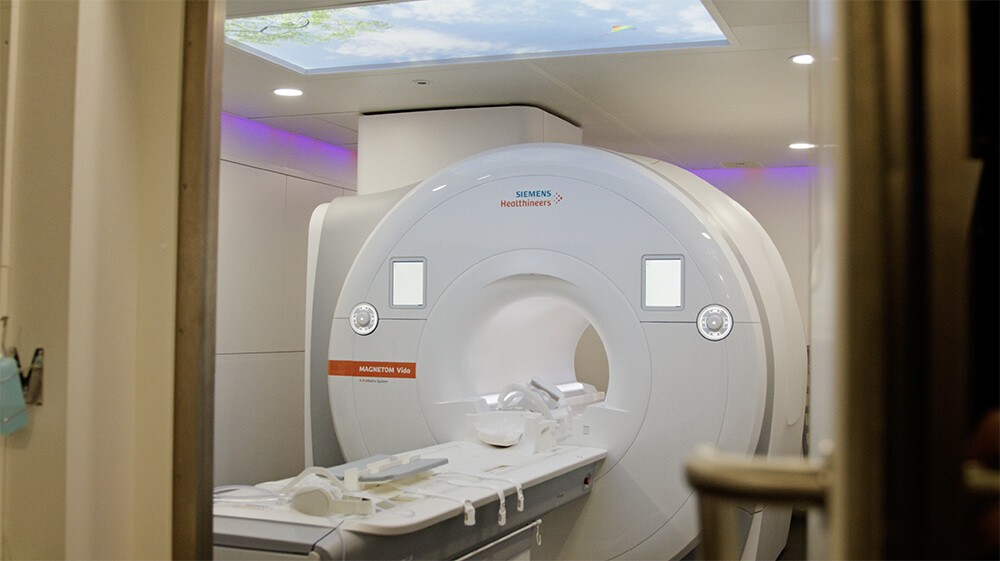
Our advanced technology
Our MRI provides a detailed, non-invasive look at your body’s internal health, including muscles, organs, and bones. Combined with an advanced blood test, we can pinpoint key health markers.
Pain-free and no radiation
Most complete view of the body
Rich data for personalized insights
Your first scan
will be soon!
Prepare together
Our advanced technology
Our MRI provides a detailed, non-invasive look at your body’s internal health, including muscles, organs, and bones. Combined with an advanced blood test, we can pinpoint key health markers.
Pain-free and no radiation
Most complete view of the body
Rich data for personalized insights
Your first scan
will be soon!
Prepare together
Our advanced technology
Our MRI provides a detailed, non-invasive look at your body’s internal health, including muscles, organs, and bones. Combined with an advanced blood test, we can pinpoint key health markers.
Pain-free and no radiation
Most complete view of the body
Rich data for personalized insights
Your first scan
will be soon!
Prepare together