Your insurance may cover part of your check-up · Check your coverage
Your insurance may cover part of your check-up · Check your coverage

How it works
Check your coverage
Fill out the form below to find out how much your insurer covers
Book your check-up
Book your preventive health check-up at one of our locations
Submit your invoice
Get your
results
After your check-up, submit your invoice to your insurer
Get reimbursed
Receive your reimbursement according to your coverage
How much will your insurance cover?
Choose your check-up
See our preventive check-ups and their costs at a glance - based on your coverage.

Discover all available tests
Discover all available tests
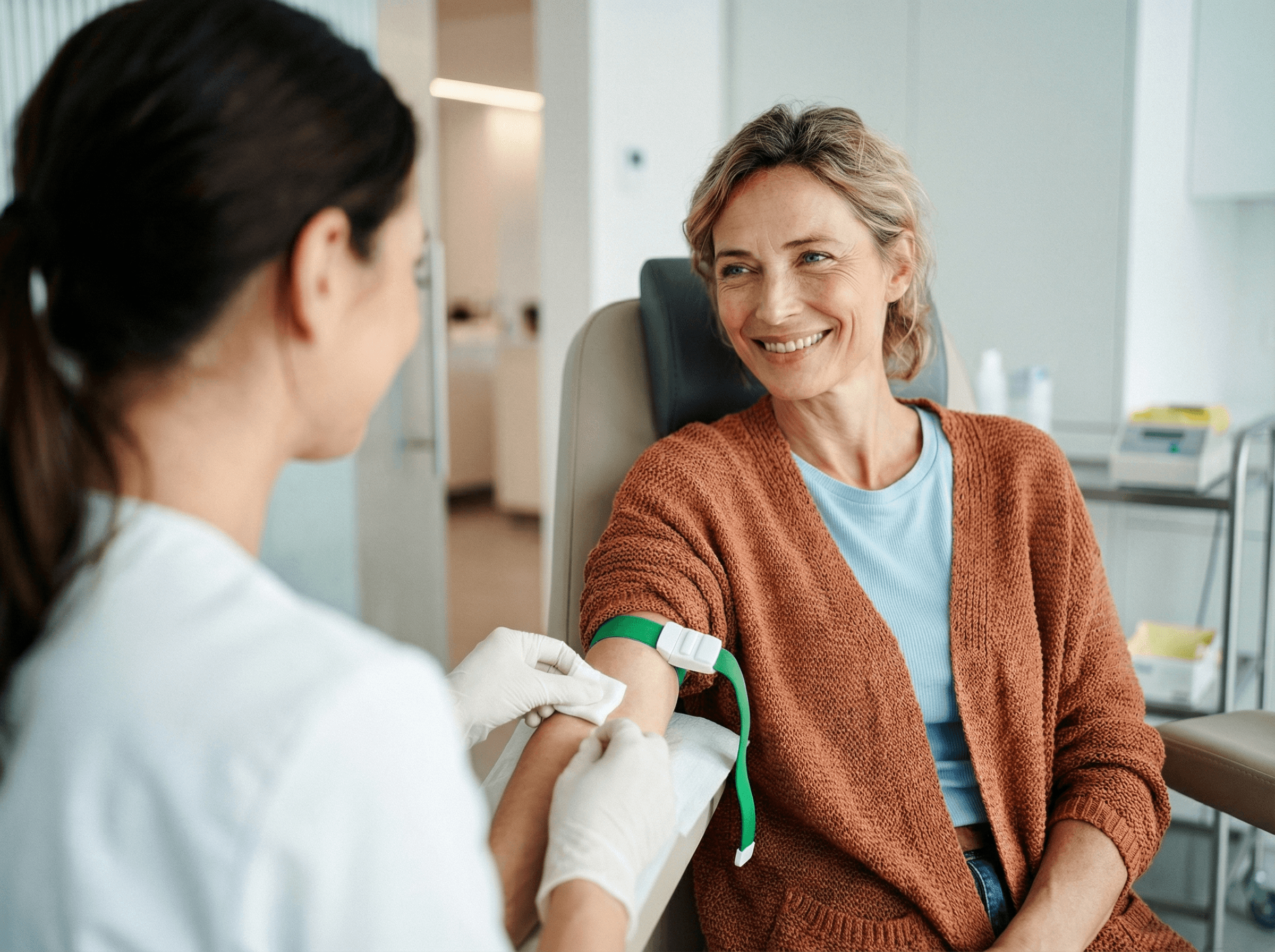
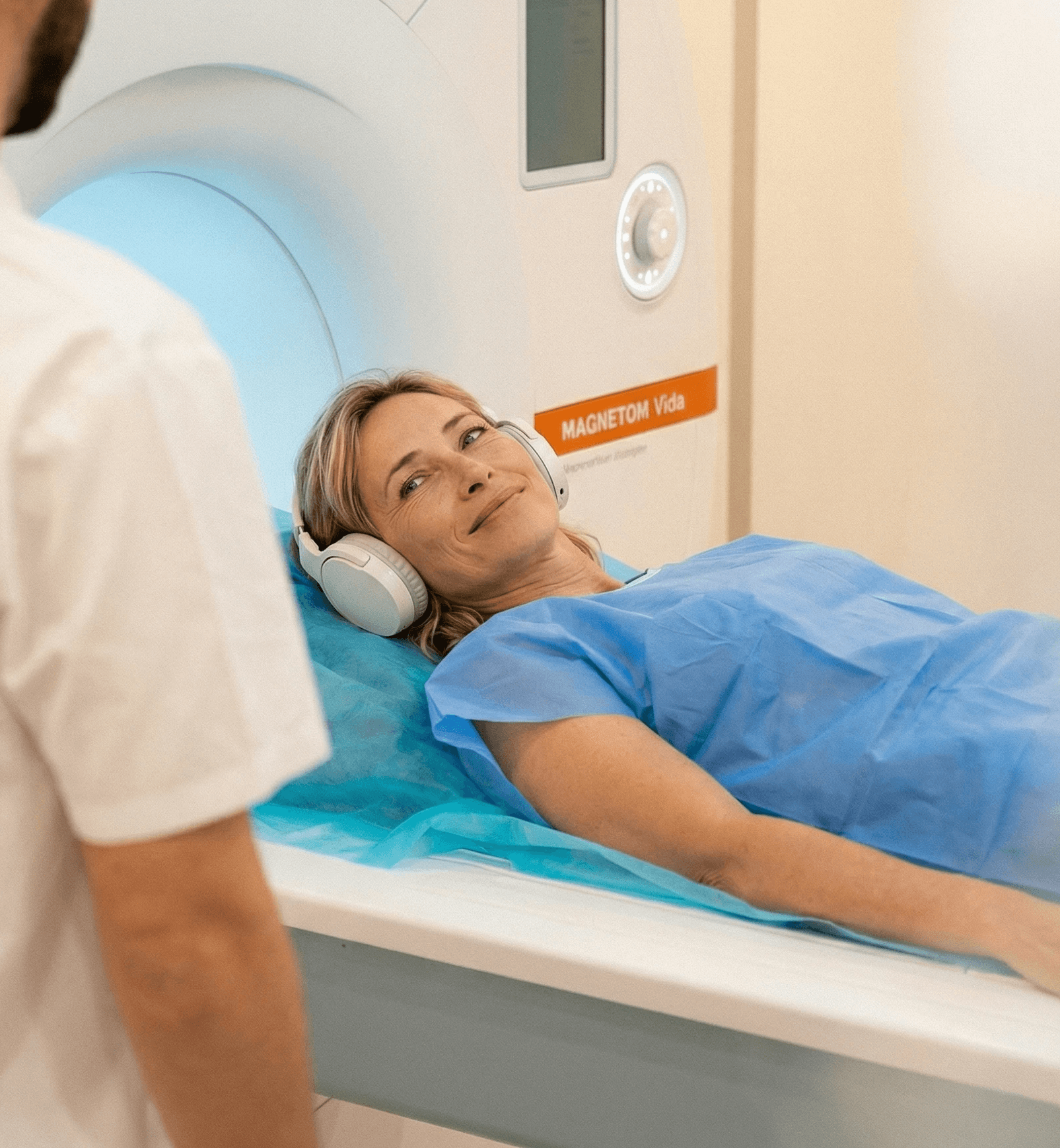
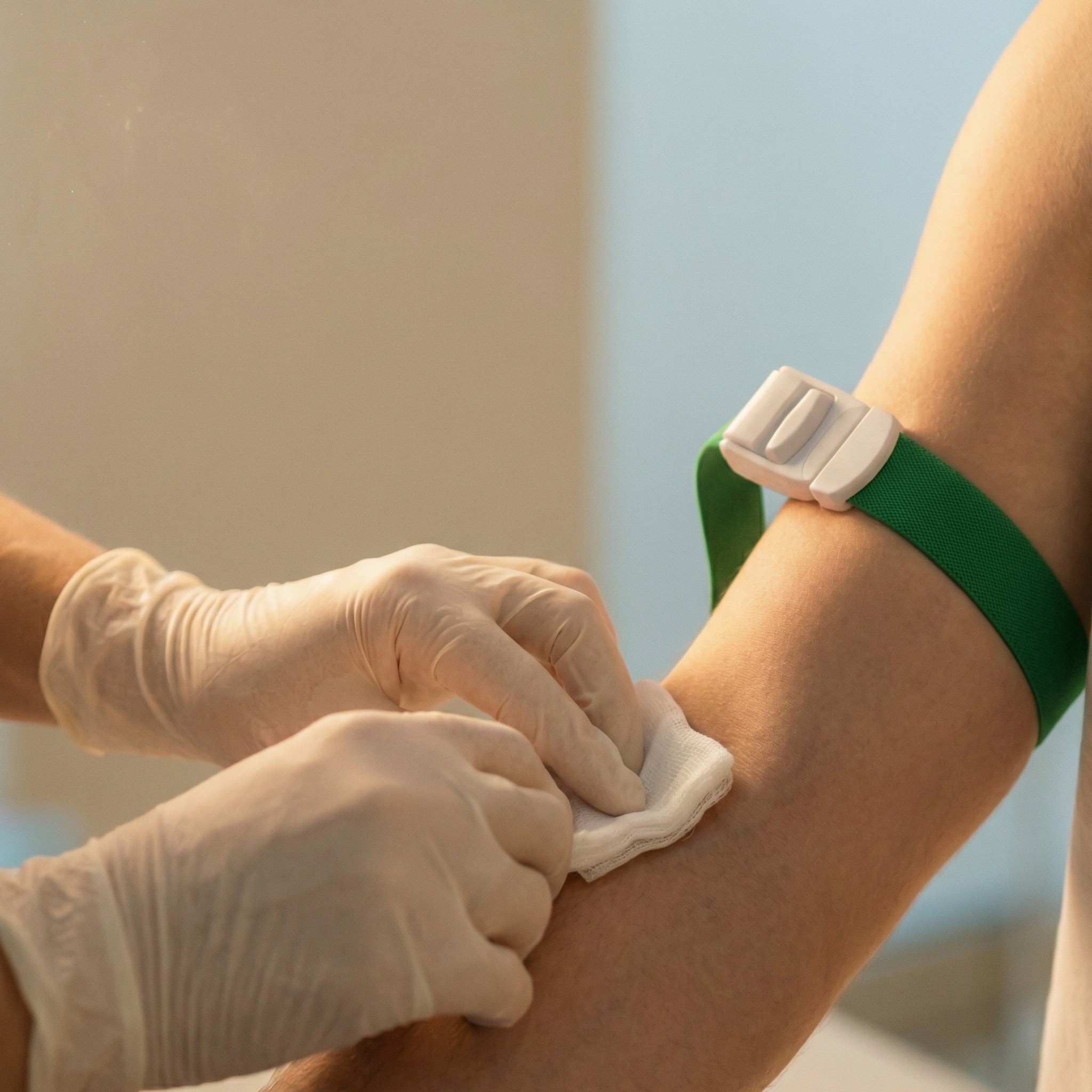
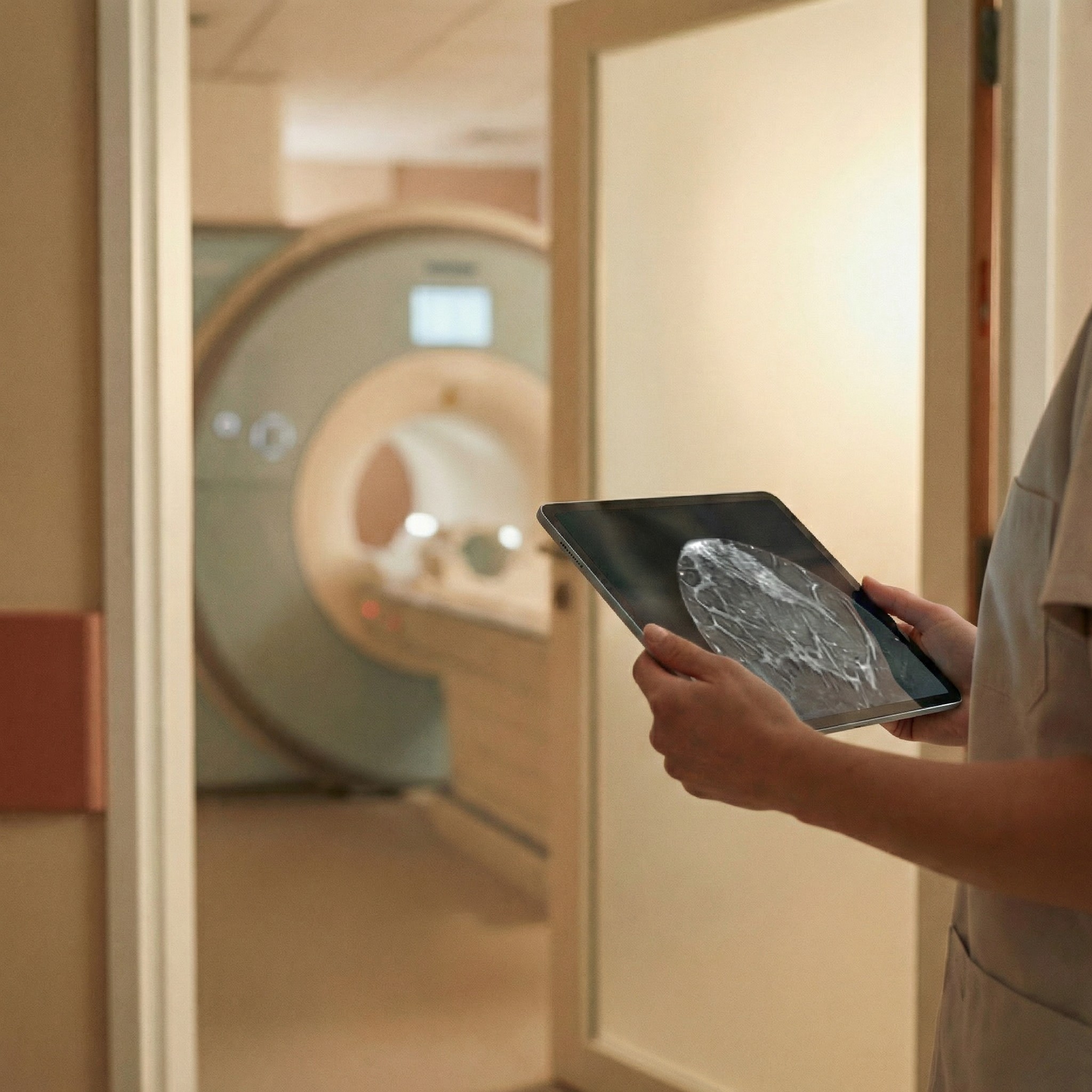
Ahead Health offers a range of imaging scans and blood tests for a better understanding of your health.






~ Shown values are illustrative samples.
How does insurance coverage work for preventive health?

Basic insurance (Grundversicherung)
Mandatory basic insurance (KVG) typically does not cover preventive health screenings like MRI scans or comprehensive blood tests.
KVG
VVG+

Supplementary insurance (Zusatzversicherung)
Many supplementary insurance plans (VVG) cover part or all of the cost of preventive services. Coverage depends on your insurance plan
Basic insurance (Grundversicherung)
Mandatory basic insurance (KVG) typically does not cover preventive health screenings like MRI scans or comprehensive blood tests.
VVG+
KVG
Supplementary insurance (Zusatzversicherung)
Many supplementary insurance plans (VVG) cover part or all of the cost of preventive services. Coverage depends on your insurance plan
Real-world examples
CSS myFlex Premium
CSS supplementary insurance "myFlex Premium" reimburses up to CHF 1'000 of the costs for our MRI and blood packages.
KPT Pulse
Pulse Top and Pulse Premium cover preventive screenings. For MRI-based check-ups, coverage is capped at CHF 1'500 every two years.
Visana
Visana covers 90% of your check-up every three years, up to CHF 600. Blood tests and MRI scans both qualify.
Mivita Reala, Basic, and Intense plans
Atupri reimburses blood tests through Mivita Reala, Basic, and Intense plans. MRI contributions available as a goodwill benefit.
AXA
AXA
AXA COMPLET
AXA reimburses 75% of blood tests and MRI scans — up to CHF 300 per year with ACTIV, or CHF 500 with COMPLET.
Have a different insurance plan?
Your case may still qualify for reimbursement
Learn more about health, longevity,
and the latest in science

EARLY DETECTION
Lower back pain is the most prevalent health problem in Switzerland. A large population survey by the Swiss Federal Statistical Office found that 47% of women and 39% of men had suffered from back problems in the preceding four weeks, the highest prevalence of all health conditions surveyed. Globally, according to the Global Burden of Disease study published in The Lancet Rheumatology, lower back pain remains the leading cause of years lived with disability. Switzerland ranks among the three countries with the highest age-standardised prevalence in the world.
The economic cost is substantial. A Swiss cost-of-illness study estimated the direct costs of lower back pain at €2.6 billion and productivity losses at €4.1 billion annually.
Yet for all its prevalence, lower back pain is poorly understood by most people who have it. Many attribute it to a "bad back," aging, or a single event like lifting something heavy. In reality, the strongest modifiable predictor of lower back pain is something most people never think about: the quality of their back muscles.

Nick Lenten
13 Apr 2026

EARLY DETECTION
Cancer kills millions every year. It also, increasingly, does not, depending on the stage and type of cancer. Over the past three decades, survival rates have climbed sharply for several types of cancer, driven by better screening, more precise treatments, and smarter prevention. The numbers are worth knowing. They reveal which cancers are most lethal, which are most beatable, and where early detection makes the starkest difference.
This guide lays out the latest cancer survival data by type, examines the financial burden of treatment, and explains what full-body MRI and advanced blood tests add to traditional screening.
Nick Lenten
27 Mar 2026

EARLY DETECTION
Pancreatic cancer often progresses undetected for a long time – and is therefore frequently diagnosed late. In Switzerland, around 1,500 people are diagnosed each year. Only about 12% survive five years.
There is no standard screening test. Symptoms blend into everyday discomfort. By the time a diagnosis arrives, the cancer has usually already escaped the pancreas.
That picture is starting to shift. Full-body MRI can now detect pancreatic abnormalities before any symptoms appear, giving people – particularly those with elevated risk – a way to act before the disease takes the upper hand.
Nick Lenten
27 Mar 2026
EARLY DETECTION
Lower back pain is the most prevalent health problem in Switzerland. A large population survey by the Swiss Federal Statistical Office found that 47% of women and 39% of men had suffered from back problems in the preceding four weeks, the highest prevalence of all health conditions surveyed. Globally, according to the Global Burden of Disease study published in The Lancet Rheumatology, lower back pain remains the leading cause of years lived with disability. Switzerland ranks among the three countries with the highest age-standardised prevalence in the world.
The economic cost is substantial. A Swiss cost-of-illness study estimated the direct costs of lower back pain at €2.6 billion and productivity losses at €4.1 billion annually.
Yet for all its prevalence, lower back pain is poorly understood by most people who have it. Many attribute it to a "bad back," aging, or a single event like lifting something heavy. In reality, the strongest modifiable predictor of lower back pain is something most people never think about: the quality of their back muscles.
Nick Lenten
13 Apr 2026
EARLY DETECTION
Cancer kills millions every year. It also, increasingly, does not, depending on the stage and type of cancer. Over the past three decades, survival rates have climbed sharply for several types of cancer, driven by better screening, more precise treatments, and smarter prevention. The numbers are worth knowing. They reveal which cancers are most lethal, which are most beatable, and where early detection makes the starkest difference.
This guide lays out the latest cancer survival data by type, examines the financial burden of treatment, and explains what full-body MRI and advanced blood tests add to traditional screening.
Nick Lenten
27 Mar 2026
EARLY DETECTION
Lower back pain is the most prevalent health problem in Switzerland. A large population survey by the Swiss Federal Statistical Office found that 47% of women and 39% of men had suffered from back problems in the preceding four weeks, the highest prevalence of all health conditions surveyed. Globally, according to the Global Burden of Disease study published in The Lancet Rheumatology, lower back pain remains the leading cause of years lived with disability. Switzerland ranks among the three countries with the highest age-standardised prevalence in the world.
The economic cost is substantial. A Swiss cost-of-illness study estimated the direct costs of lower back pain at €2.6 billion and productivity losses at €4.1 billion annually.
Yet for all its prevalence, lower back pain is poorly understood by most people who have it. Many attribute it to a "bad back," aging, or a single event like lifting something heavy. In reality, the strongest modifiable predictor of lower back pain is something most people never think about: the quality of their back muscles.
Nick Lenten
13 Apr 2026
EARLY DETECTION
Cancer kills millions every year. It also, increasingly, does not, depending on the stage and type of cancer. Over the past three decades, survival rates have climbed sharply for several types of cancer, driven by better screening, more precise treatments, and smarter prevention. The numbers are worth knowing. They reveal which cancers are most lethal, which are most beatable, and where early detection makes the starkest difference.
This guide lays out the latest cancer survival data by type, examines the financial burden of treatment, and explains what full-body MRI and advanced blood tests add to traditional screening.
Nick Lenten
27 Mar 2026
EARLY DETECTION
Pancreatic cancer often progresses undetected for a long time – and is therefore frequently diagnosed late. In Switzerland, around 1,500 people are diagnosed each year. Only about 12% survive five years.
There is no standard screening test. Symptoms blend into everyday discomfort. By the time a diagnosis arrives, the cancer has usually already escaped the pancreas.
That picture is starting to shift. Full-body MRI can now detect pancreatic abnormalities before any symptoms appear, giving people – particularly those with elevated risk – a way to act before the disease takes the upper hand.
Nick Lenten
27 Mar 2026
Does basic insurance cover preventive screenings?
No, mandatory basic insurance (KVG) typically does not cover preventive screenings like MRI or comprehensive blood tests. Supplementary insurance (VVG) is needed for coverage.
Does basic insurance cover preventive screenings?
No, mandatory basic insurance (KVG) typically does not cover preventive screenings like MRI or comprehensive blood tests. Supplementary insurance (VVG) is needed for coverage.
How do I submit my invoice to my insurer?
After your check-up, you'll receive a pro-forma invoice. Submit it through your insurer's online portal or app. Reimbursement typically takes 2–4 weeks.
How do I submit my invoice to my insurer?
After your check-up, you'll receive a pro-forma invoice. Submit it through your insurer's online portal or app. Reimbursement typically takes 2–4 weeks.
How long does reimbursement take?
Most insurers reimburse within 2–4 weeks after invoice submission.
How long does reimbursement take?
Most insurers reimburse within 2–4 weeks after invoice submission.
Is my data safe?
Yes. We process your data in compliance with GDPR and use it exclusively to check your insurance coverage. See our privacy policy for details.
Is my data safe?
Yes. We process your data in compliance with GDPR and use it exclusively to check your insurance coverage. See our privacy policy for details.
What if my insurer isn't listed?
No problem — select 'Other' in the Insurance form and we'll manually research your coverage. You'll hear back within 24 hours.
What if my insurer isn't listed?
No problem — select 'Other' in the Insurance form and we'll manually research your coverage. You'll hear back within 24 hours.
Which supplementary insurers cover Ahead Health?
Many Swiss supplementary insurers cover part or all of the blood test cost. For MRI, reimbursement is usually more limited — KPT is the most forward-thinking, covering up to CHF 1,500 per year (Pulse Premium). Fill out our form and we'll check your individual coverage.
Which supplementary insurers cover Ahead Health?
Many Swiss supplementary insurers cover part or all of the blood test cost. For MRI, reimbursement is usually more limited — KPT is the most forward-thinking, covering up to CHF 1,500 per year (Pulse Premium). Fill out our form and we'll check your individual coverage.
Will I receive an invoice that I can submit to my insurance?
You will receive an invoice clearly outlining the provided services and the centre/clinic that provided the services. Please check with your insurer if you require a different documentation.
Will I receive an invoice that I can submit to my insurance?
You will receive an invoice clearly outlining the provided services and the centre/clinic that provided the services. Please check with your insurer if you require a different documentation.

Ready for your check-up?
One visit. A clear picture. And a plan for what comes next
Ready for your check-up?
One visit. A clear picture. And a plan for what comes next